Traditional Zapotec rugs

Travel is more than the seeing of sights; it is a change that goes on, deep and permanent, in the ideas of living.  Miriam Beard
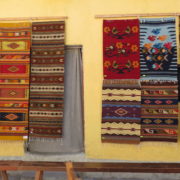
A short drive from Oaxaca City is the tiny town of Teotitlán del Valle, famous for the production of the traditional woven Zapotec rugs. It is their primary economic activity other than agriculture.
Weaving in this town dates back at least until 500 BCE. The earliest weavings used cotton and the backstrap loom. Teotitlán would pay its financial tribute to the Aztecs in weavings. More modern weaving was introduced by Dominican bishop Juan López Dezárate around 1535 when the bishop brought sheep and treadle loom to the area. The new looms and materials allowed for the weaving of large, heavy duty items such as rugs, serapes and blankets.
The rugs are handcrafted from wool and most of the designs are woven from the craftsmen’s memory. Designs include Zapotec and Mixte glyphs and fretwork and more contemporary designs including reproductions of works by famous artists such as Picasso, Joan Miró, Matisse, or Diego Rivera.
 

It is a family owned and operated business
 
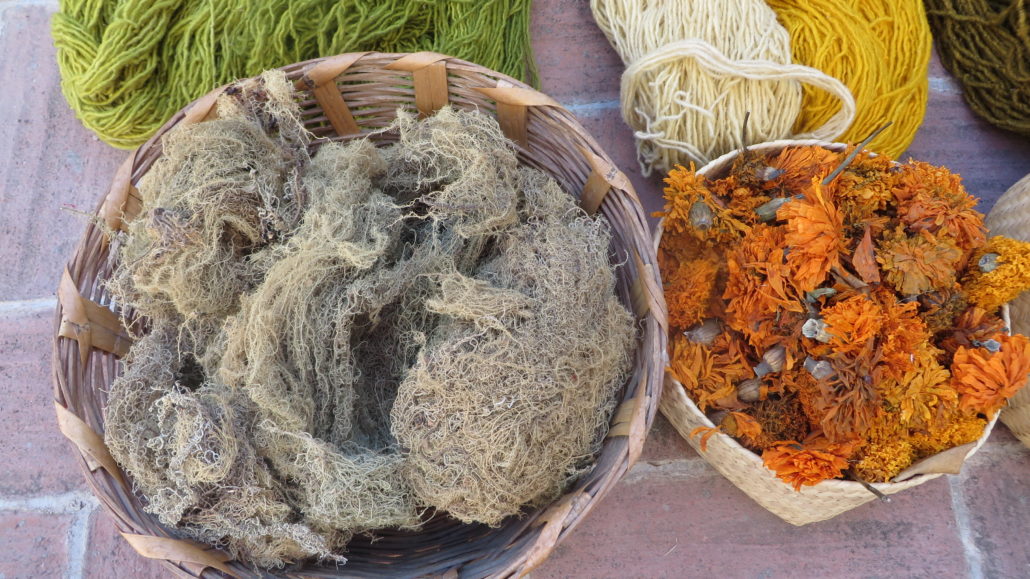
The making of the rugs begins with the washing of the raw wool to rid it of dirt and residues. Next it is carded then spun into yarn. The yarn is wound into large balls to prepare for dying with natural dyes such as indigo, cochineal (insect), marigold and others. The traditional looms are hand-operated.

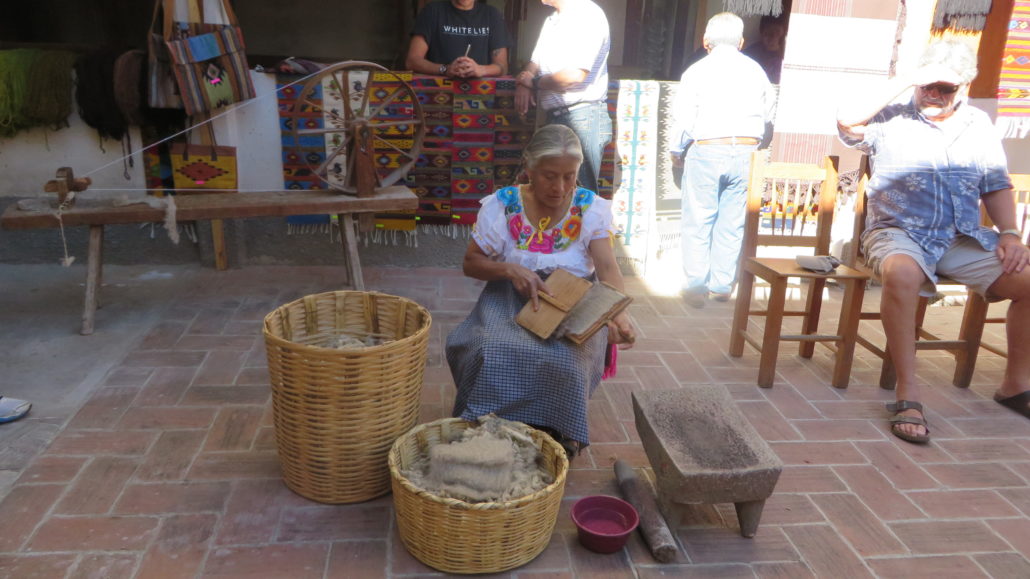
carding the wool


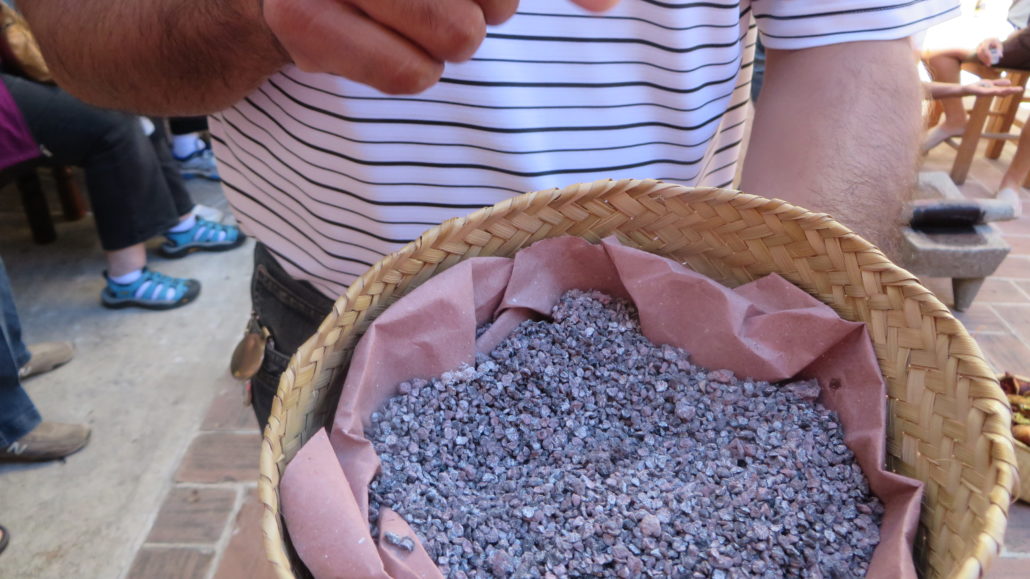
These are the dried cochineal. they feel like tiny stones


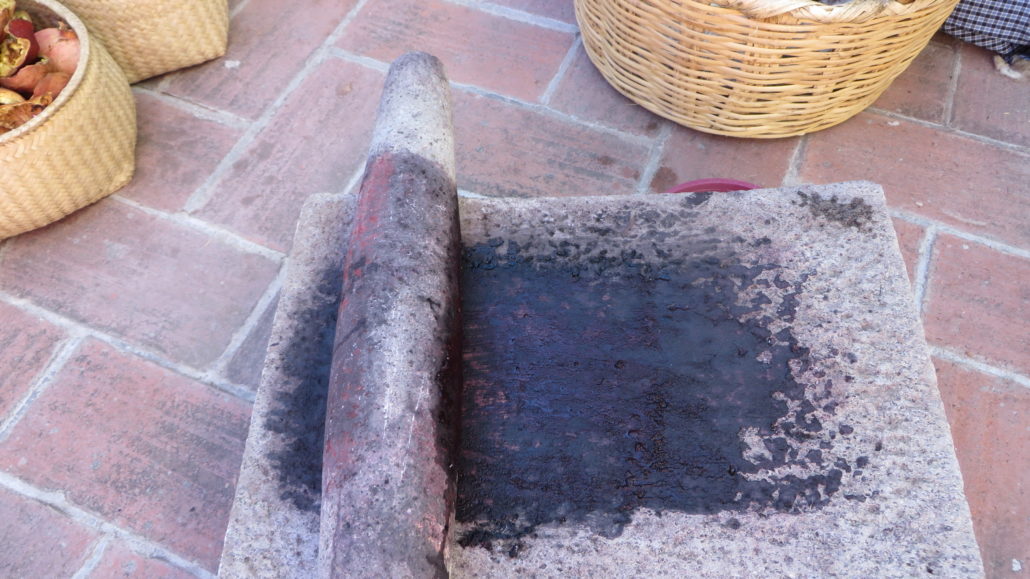
She is grinding the dried cochineal beetles

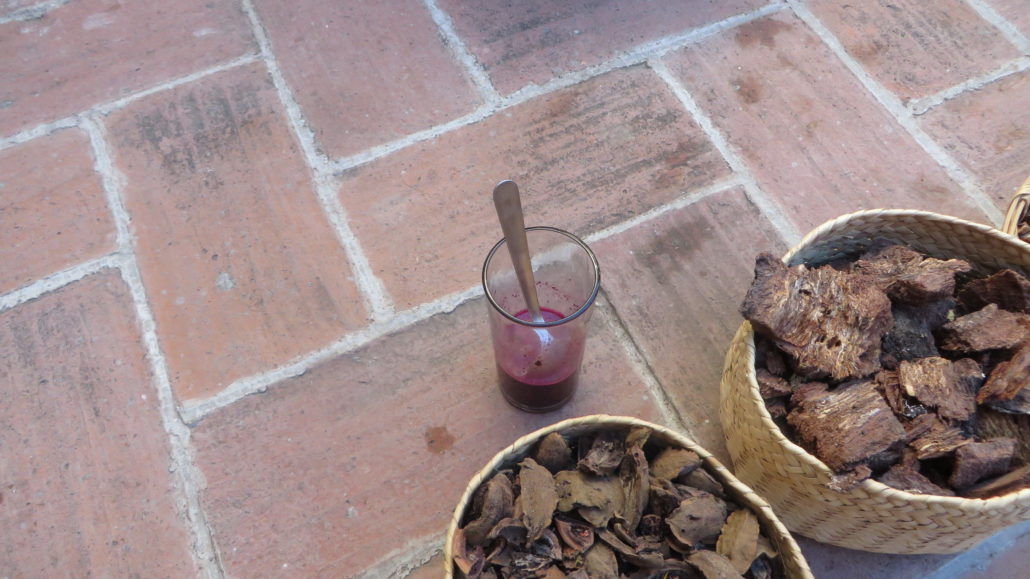
walnut shells and Brazilwood


Exploring Monte Albán

EXPLORING MONTE ALBÁN
Twenty years from now you will be more disappointed by the things that you didn’t do than  by the ones you did do. So throw off the bowlines. Sail away from the safe harbour. Catch the trade winds in your sails. Explore. Dream. Discover…. Mark Twain
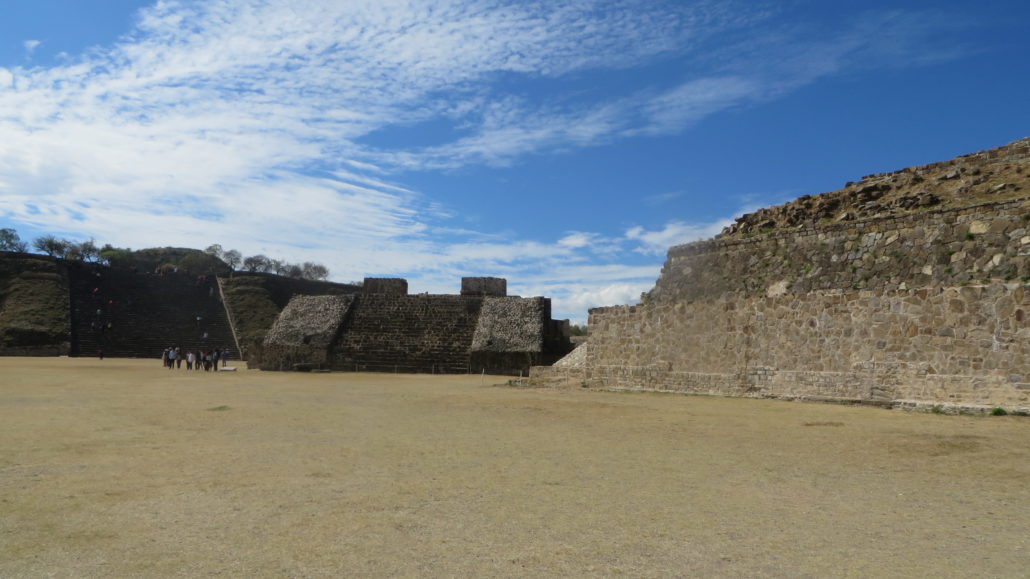
Monte Albán is the most important archaeological site in Oaxaca.  Monte Albán was established 500 years before Palenque, 1,000 years before Chicén Itzá and 1,800 before Teotihuacán in Mexico City. It was inhabited over a period of 1,500 years by a succession of people – Olmecs, Zapotecs, and Mixtecs. The terraces, dams, canals, and pyramids were literally carved out of the mountain. Monte Albán flourished with a population of up to 25,000 from 500 B.C. to 850 A.D.when, for reasons unknown, its abandonment began.


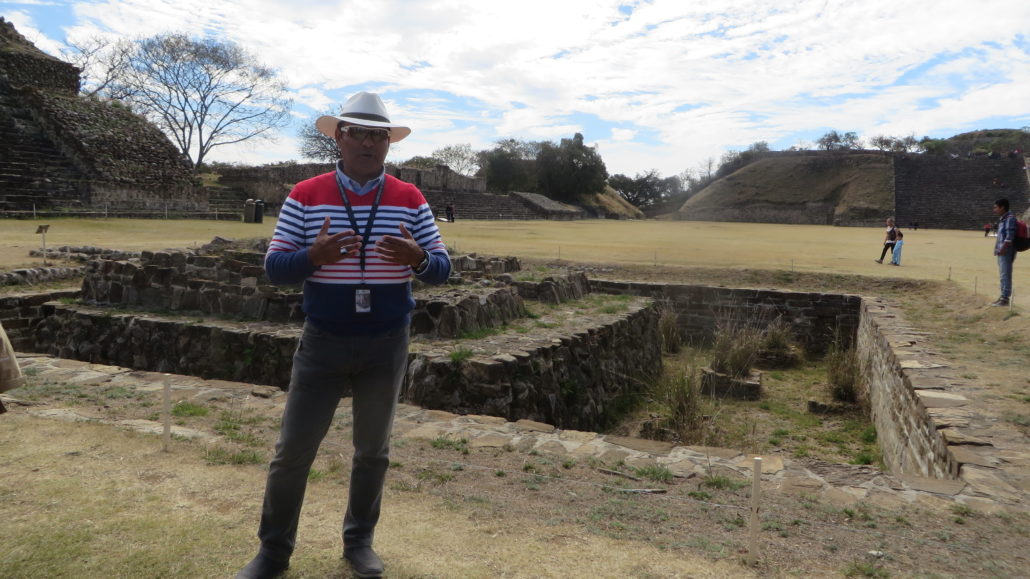
Monte Albán was the center of a highly organized, priest dominated society. They controlled at least 200 other settlements. The pictures show where the priest stood for the ceremony. There is a hidden underground tunnel in which he “disappeared” and seemingly miraculously reappeared on one of the other buildings. This was a show of power.


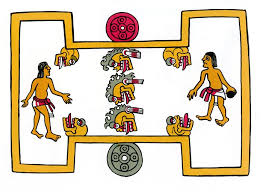
The court for the ball game was made as in the diagram. The narrow section is where the players play against each other. The wide spots is the goal. The balls were made of rubber and they would strike the balls with their hips.
 
 
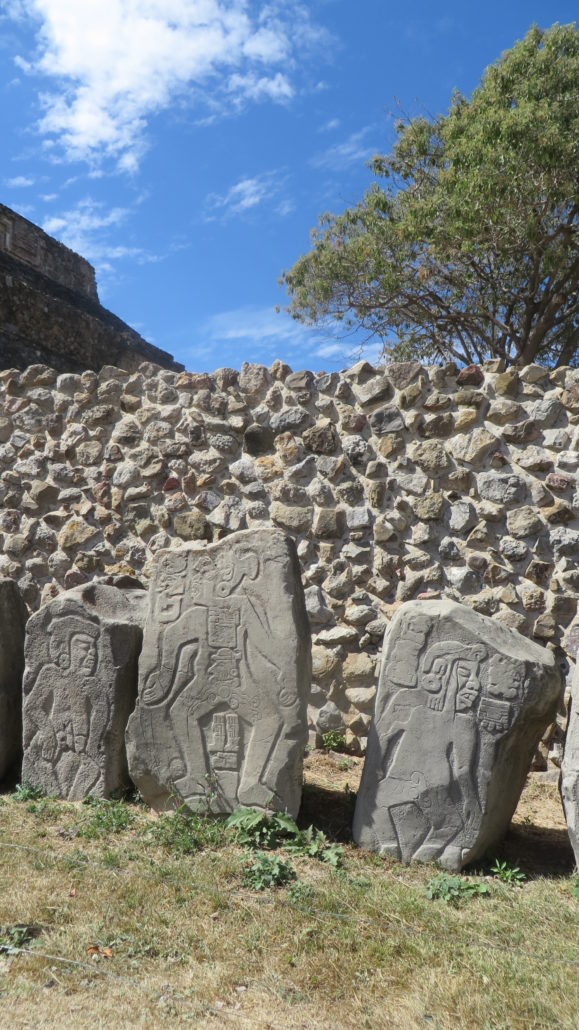
The carved stone monuments are called “Danzantes” (dancers). The idea that they depicted dancers has been generally discredited. They are now believed to represent tortured, sacrificed war prisioners, some identified by name. However, it does not explain why the glyphs depict naked warriors, ejaculation, childbirth, dwarfism, the sick, genitally mutilated and more with contorted body positions.


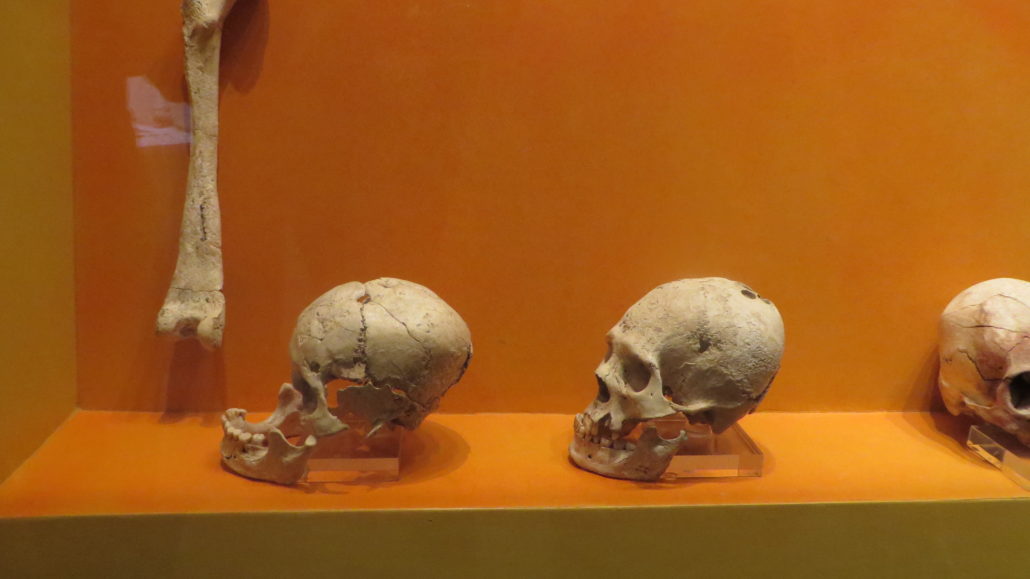
Some of the artifacts from the site


Note the elongated skulls. They would wrap the baby’s head to force it to this shape. The shape denoted power and prestige.


First Day in Oaxaca

“Once the travel bug bites there is no known antidote, and I know that I shall be happily infected until the end of my life. – Michael Palin
In comparison to other capital cities, Oaxaca is relatively small with a population of 280,000 in town and 800,000 in the outlying areas. It was in the middle of an important trade route, hence the diversity of the crafts seen here.
Oaxaca has 16 ethnic groups which make it the most ethnically complex state in Mexico’s 31 states.
One group of Mexican’s that has  been totally ignored in textbooks and by society as a whole are the African-Mexicans. They are the descendants of the slaves brought to Mexico by the Spaniards in the early 1520s. The slave trade brought approximately 200,000 Africans to Mexico. Slavery was abolished in 1829. No one seems to know the African-Mexican population, but educated guesses put it at the tens of thousands.


When we arrived in Oaxaca, we met our local guide José Adelaberto López Ramos. He had a wealth of information for us. Not only at the sites we visited but during the travel to those sites. He speaks excellent English, and has a great sense of humour. He kept us entertained. He will do private tours as well. His contact information: email – adalbertguia@hotmail.com or tel: (951) 547 19 47
 

Our guide Adalberto


Travelling to Oaxaca

The world is a book, and those that do not travel read only one page. Saint Augustine
We flew from Manzanilla to Mexico City where we boarded the bus that was to be our constant mode of transportation for the rest of the trip until we returned to Mexico City. It was a 6-hour bus ride from Mexico City to Oaxaca City.
 
I started this trip with the usual eager anticipation of the sights I was about to see and the people I would meet. I was not expecting to gain insight into some of the social and political problems facing Mexico, especially with the education system.
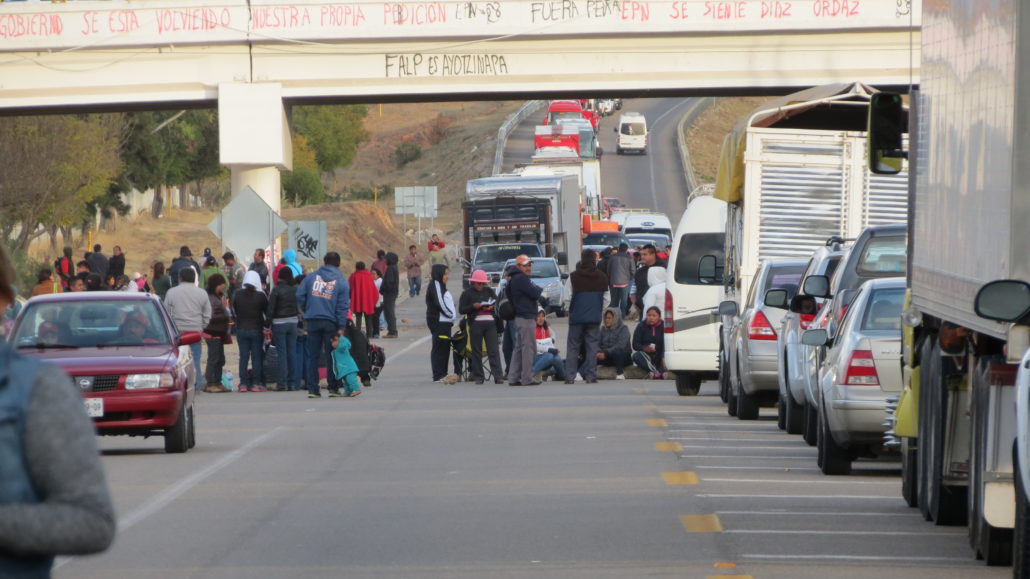
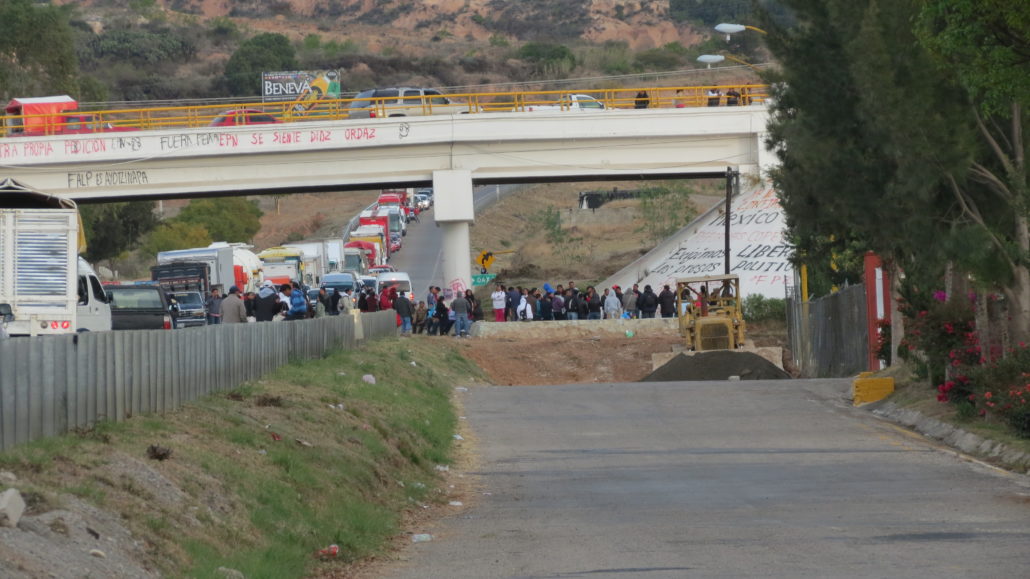
The first sign of a problem was the roadblock manned by approximately 100 teachers. The teachers were allowing traffic thru once every hour. We missed it by 15 minutes. We were only 65 km from our destination of Oaxaca City.


It was a peaceful demonstration and there was no indication from the other waiting vehicles of annoyance or impatience. We all waited patiently until it was our turn to be allowed thru.
The rest of the trip to Oaxaca was uneventful other than the disturbing sight of peddlers trying to sell puppies. Each person had at least 3 puppies and they were tossing them around like stuffed animals.


We arrived at Hotel Casantica. The hotel was very nice with comfortable rooms, restaurant and lounge area. The only complaint was that the internet was spotty at best. The hotel is located with walking distance of the Zocala (square).


VIRGIN OF GUADALUPE CELEBRATION

VIRGIN OF GUADALUPE CELEBRATION
When you travel, remember that a foreign country is not designed to make you comfortable. It is designed to make its own people comfortable. – Clifton Fadiman
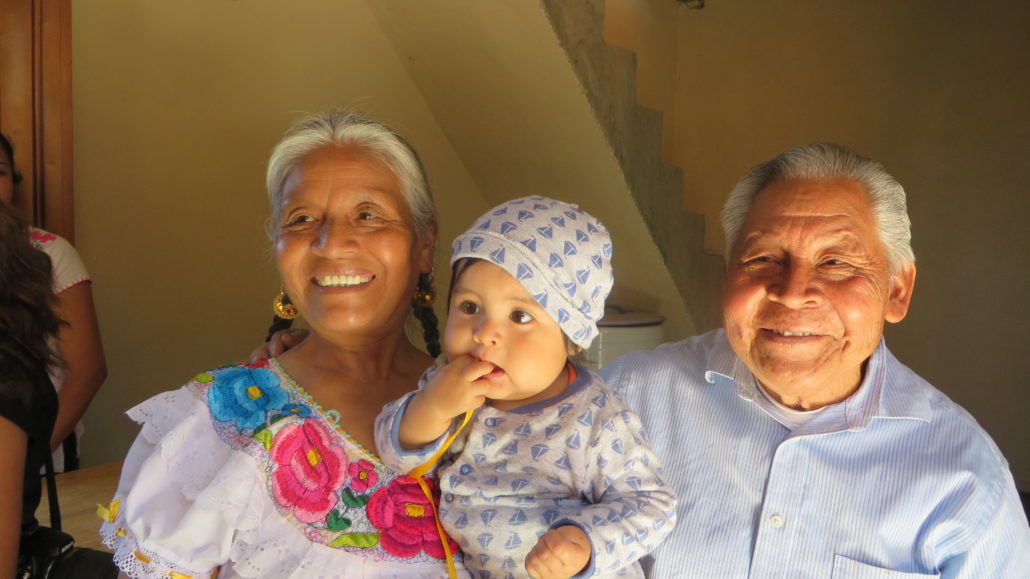
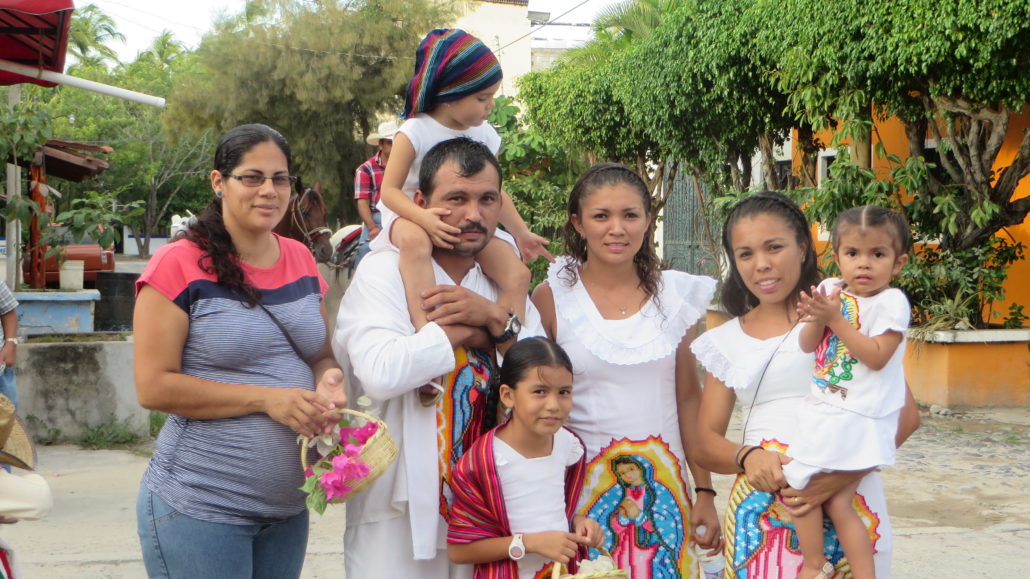
 Some of our Mexican family
The celebration of Our Lady of Guadalupe, also known as the Virgin of Guadalupe began after the Spaniards conquered Mexico. The Spaniards tried to convert the indigenous Indians into Catholicism but encountered resistance because of their strong beliefs in their many gods. The appearance of the Virgin Mary to an indigenous man, Juan Diego was the beginning of the change to Catholicism.
The story goes as follows: Juan Diego was walking toward the Hill of Tepeyac on December 12, 1531 when he was stopped by the appearance of the Virgin Mary. The Virgin Mary was a young woman with black hair and dark skin, which looked similar to an indigenous person. She ordered Juan Diego to go to the Bishop and ask him to build a church at the Hill of Tepeyac. Juan ran to the Bishop to tell him what the Virgin Mary had asked of him. The Bishop did not believe what Juan Diego was telling him and ignored the request.
The Virgin Mary appeared again in front of Juan Diego and told him to collect flowers from the top of the hill, but because it was December, Juan knew that there was not going to be any flowers. Once he reached the top, he was surprised to see that it was covered with colorful and beautiful flowers. Again, he did what he was asked to do, collected the flowers using his overcoat, and ran again to see the Bishop.
Juan Diego gave the coat full of flowers to the bishop and here the Bishop discovered the image of the Virgin Mary was miraculously traced on the coat. Seeing both the unseasonal flowers and the image of the Virgin, the Bishop realized Juan Diego had told him the truth and the Basilica of the Virgin of Guadalupe was built on the hill of Tepeyac in Mexico City.
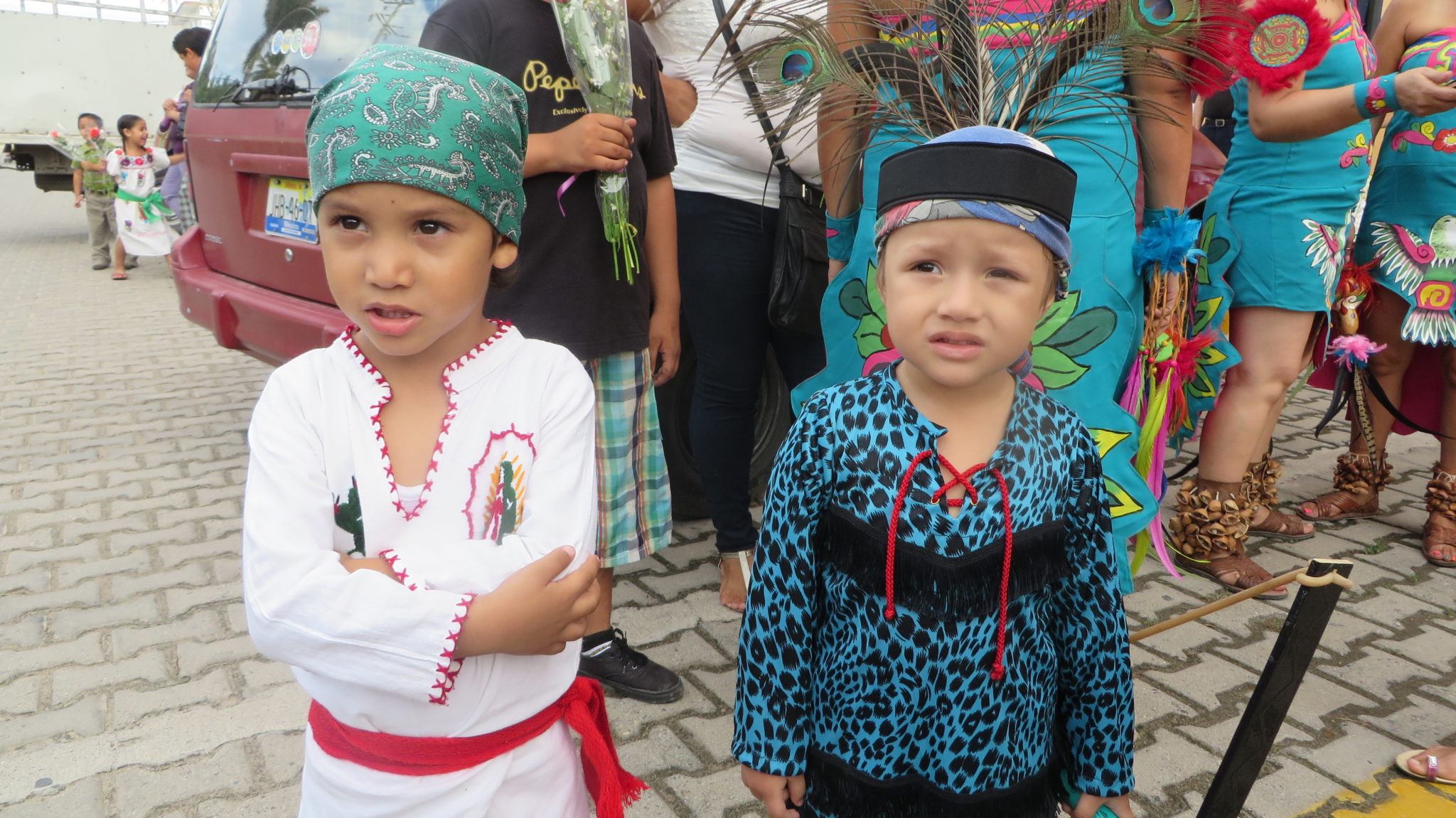
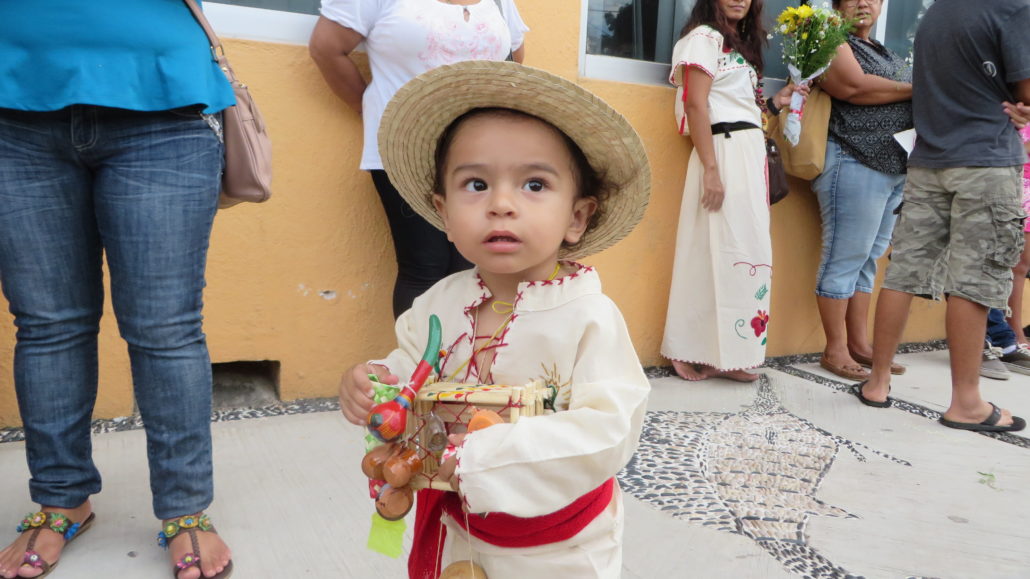
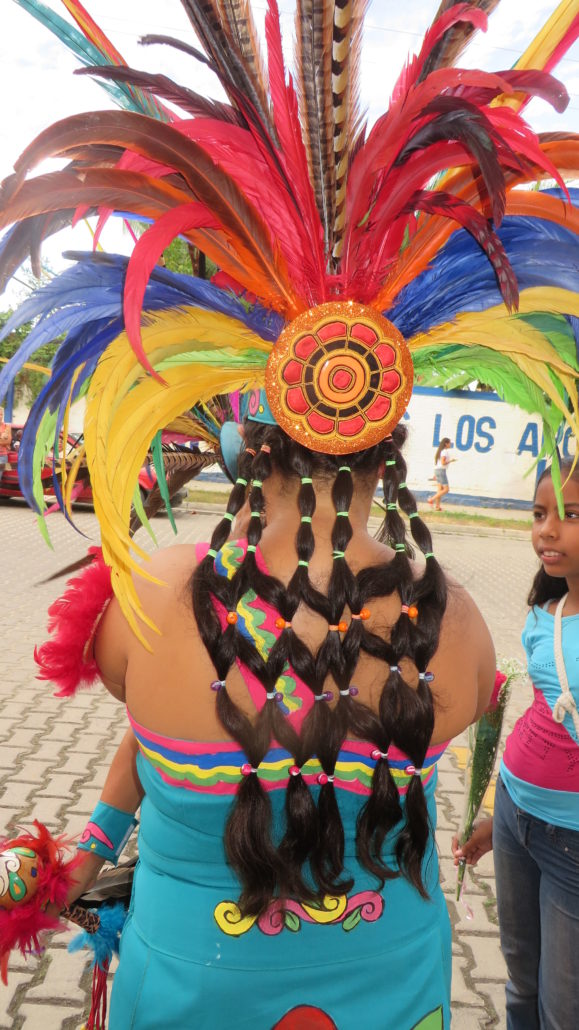
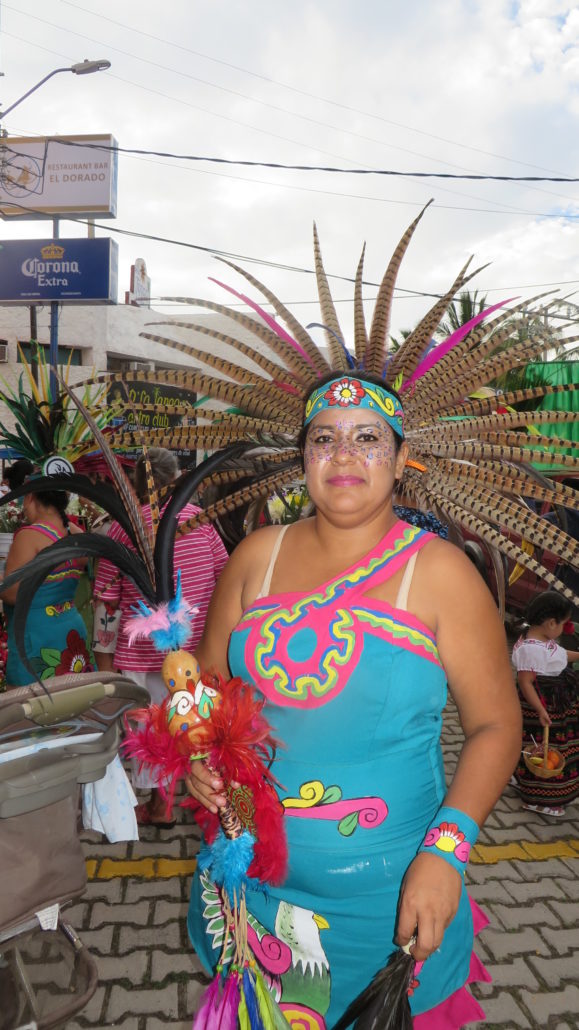
On December 12th, the faithful have a parade through town towards the church. The young boys are usually dressed in white muslin, and woven palm hats. The mustache drawn on transforms the little boys in a replica of Juan Diego. The young girls also wear traditional dresses and some with the image of the Virgin of Guadalupe.


The mothers were thanking ME for taking their children’s photos.


SHADES OF MELAQUE

SHADES OF MELAQUE
 “Why do you go away? So that you can come back. So that you can see the place, you came from with new eyes and extra colors. And the people there see you differently too…….. Terry Pratchett
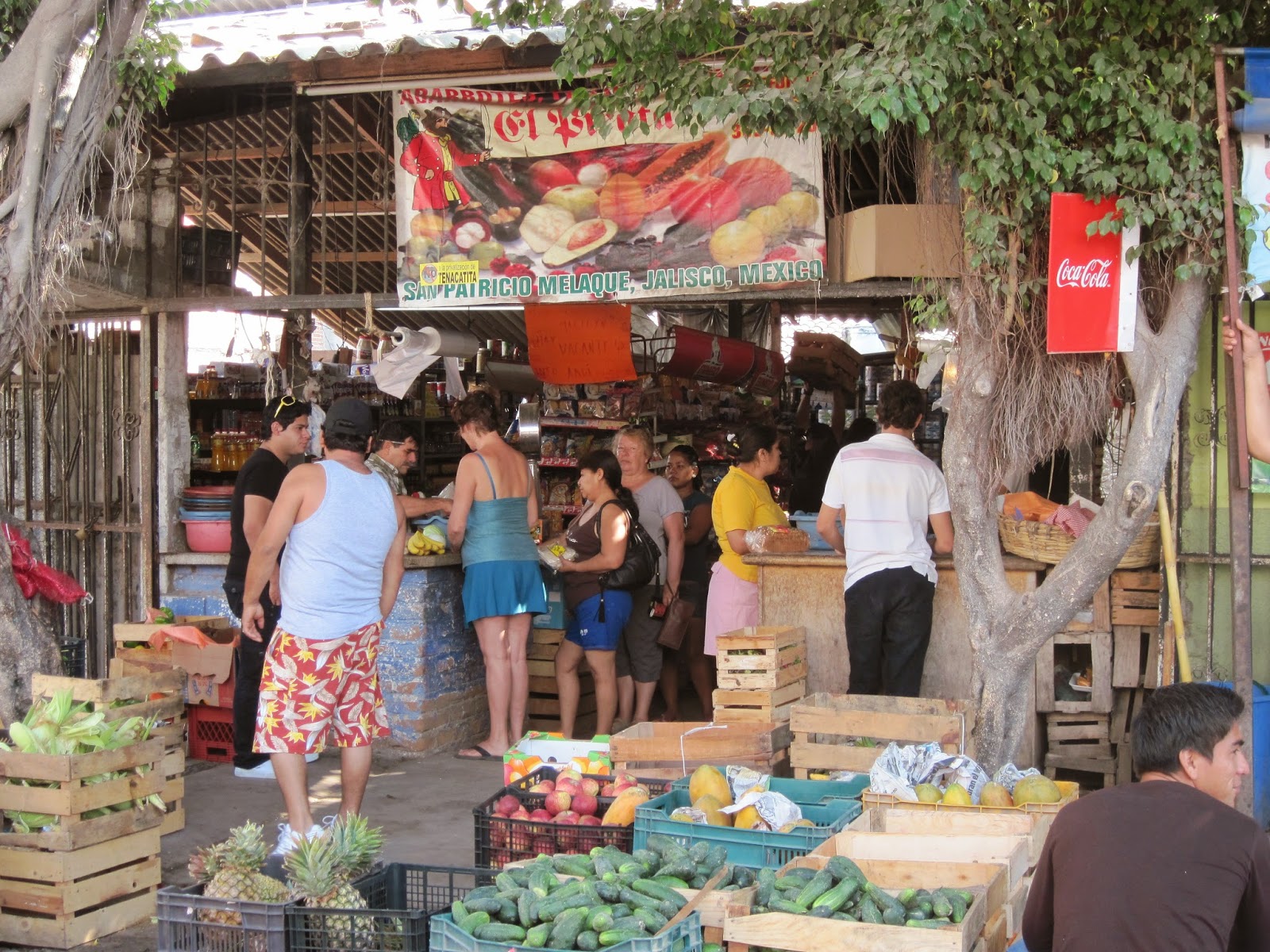
There are many shades to any town, some dark, and foreboding, other shades on the fringe, while the rest, which most people see, are light and bright. The lighter side of any town are its people and this is no truer than in Melaque. Similar to our hometown, it is, among other reasons, mainly the people that keep us returning year after year.


This is a photo album with some of the merchants that make us feel at home. 
 
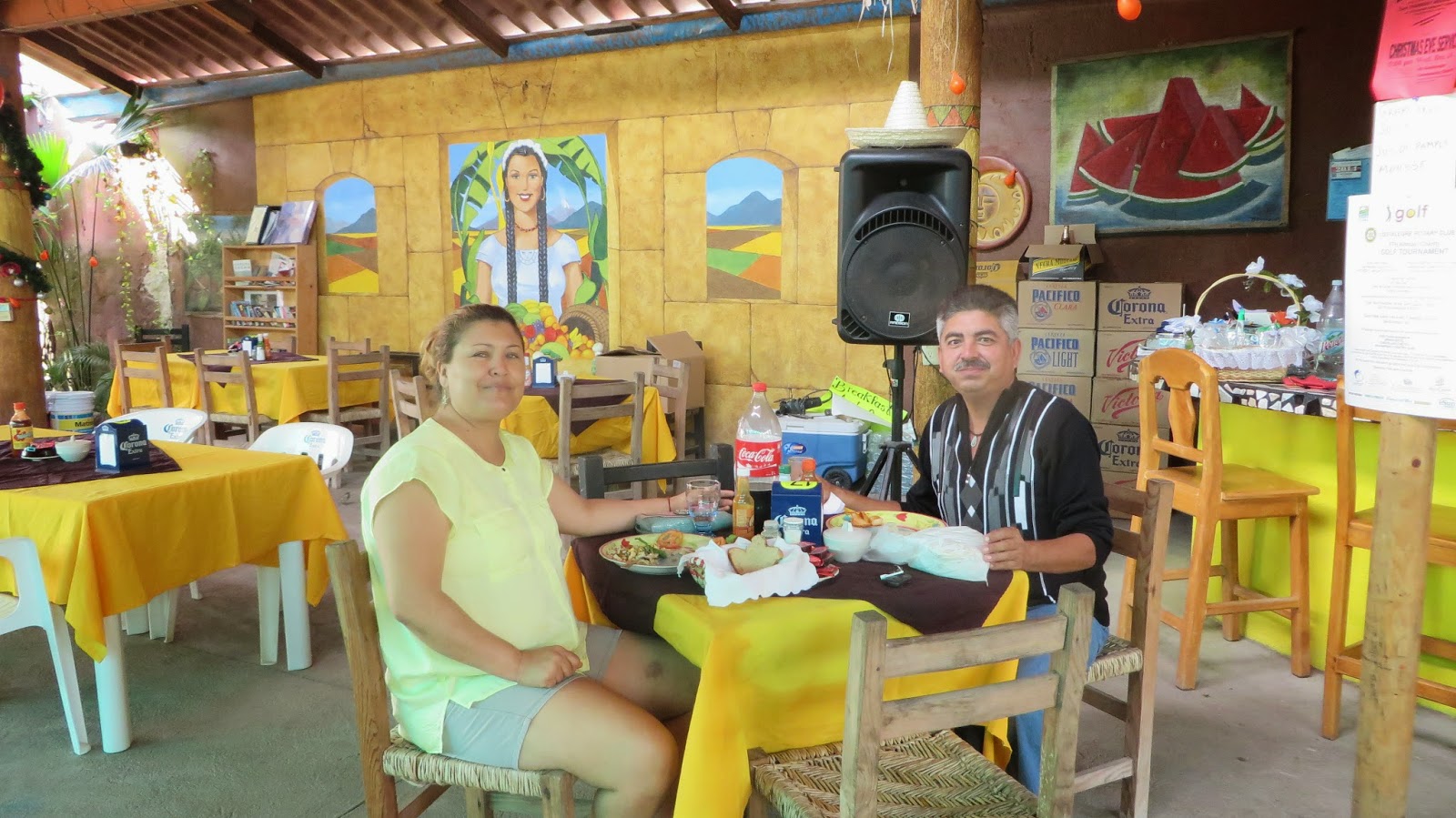
Esmeralda and Gary – great food, friendly service


Patricia and Bernardo – our amigos


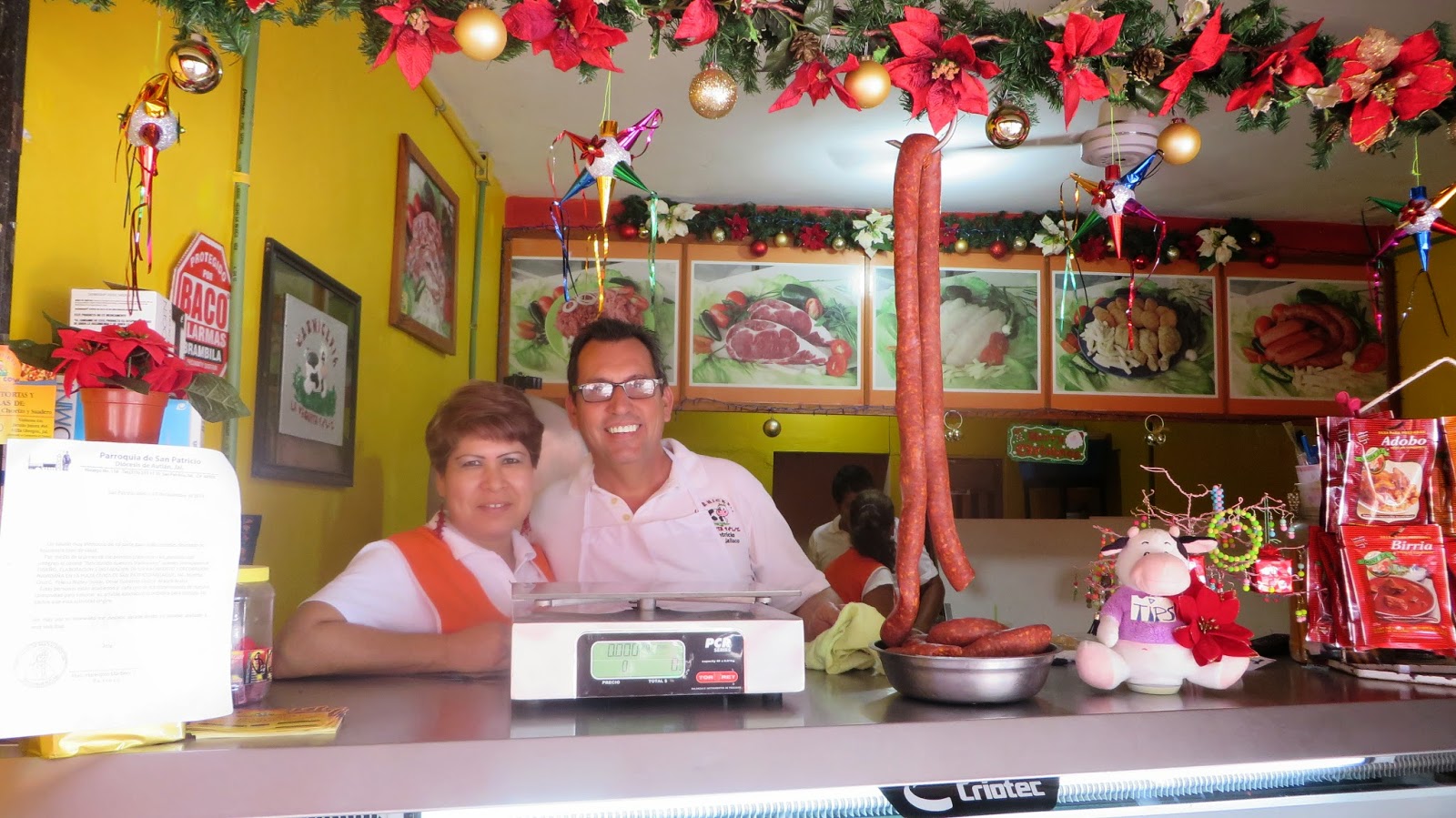
The Happy Cow where we buy the majority of our meat


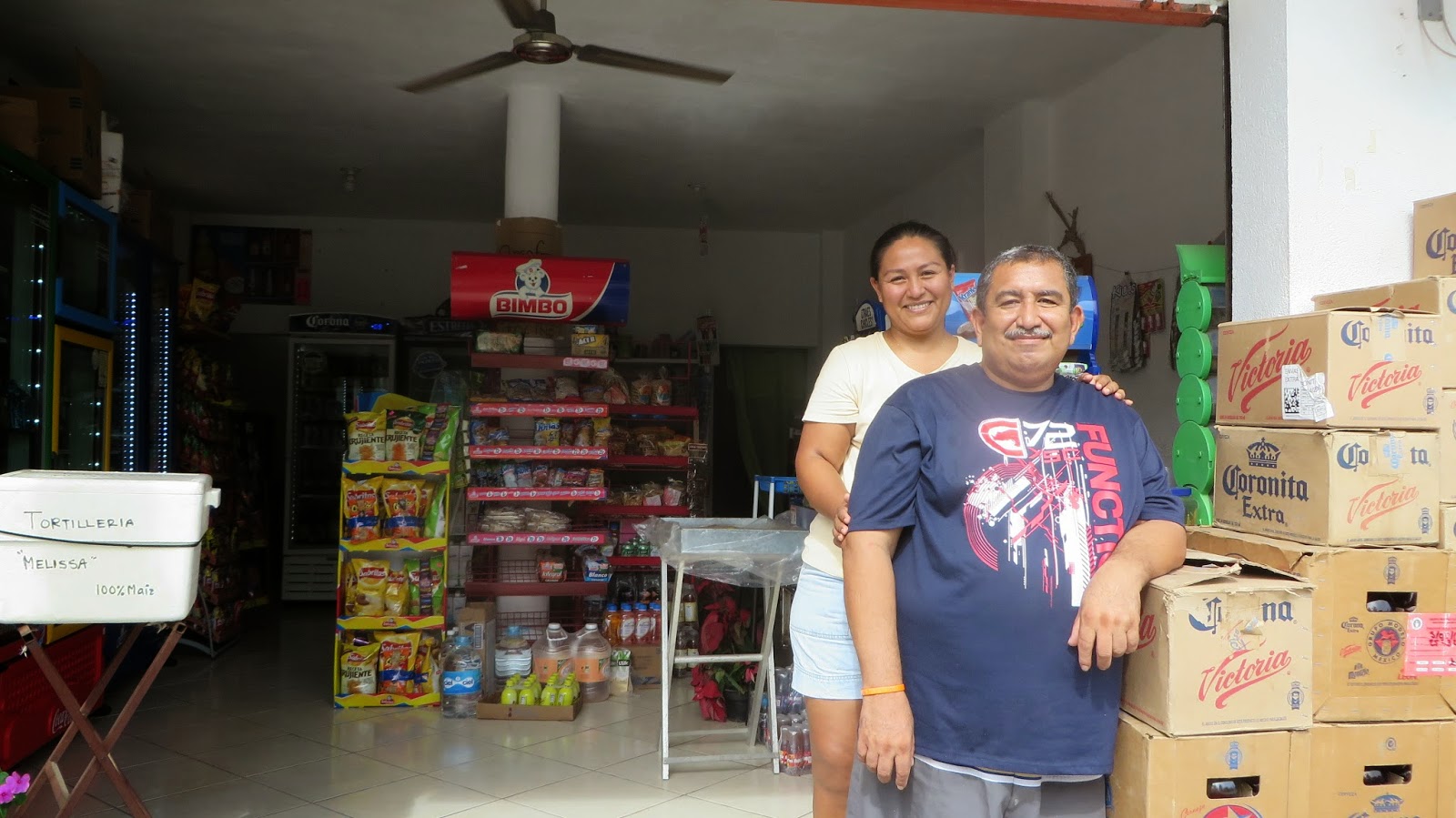
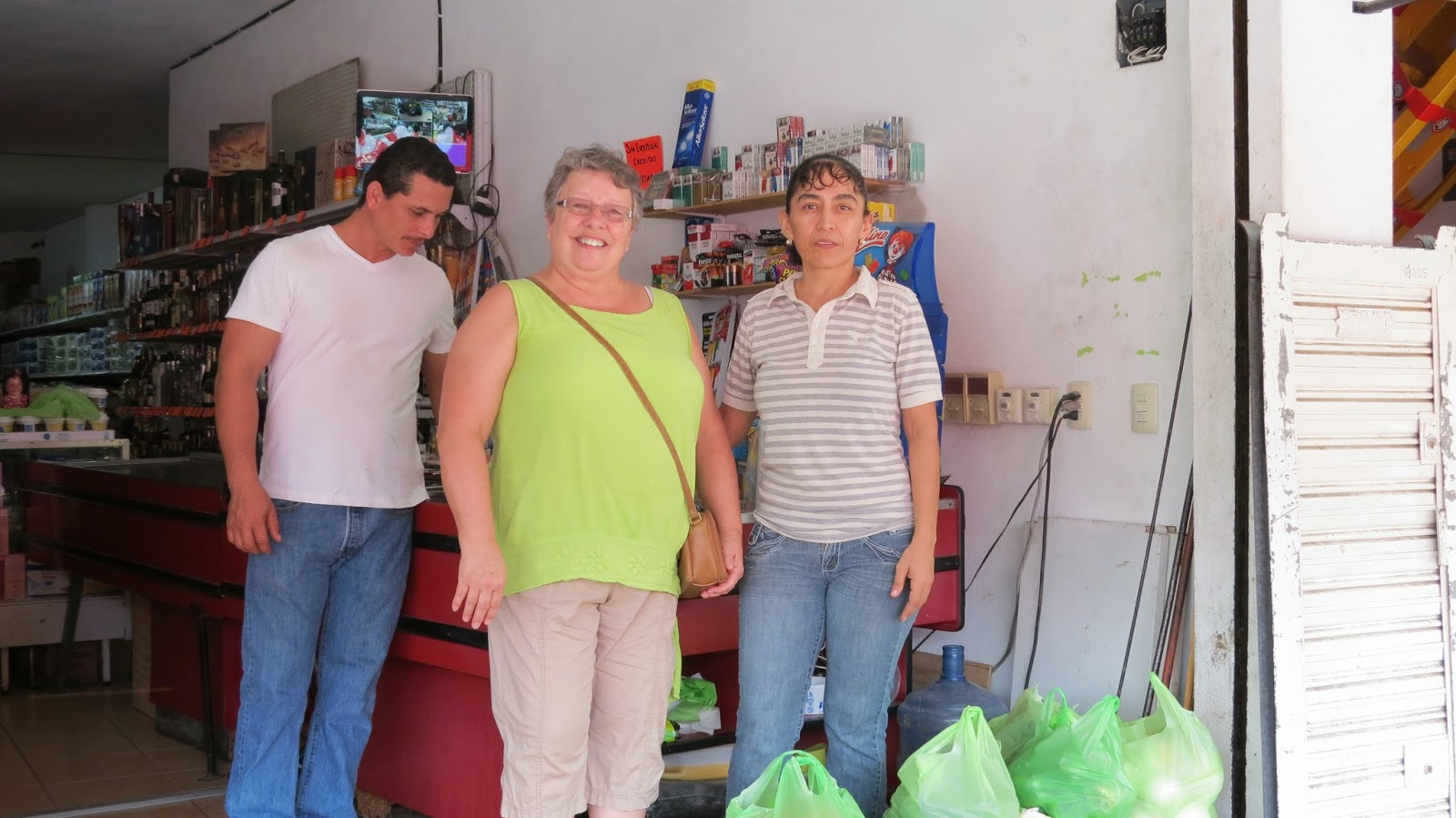
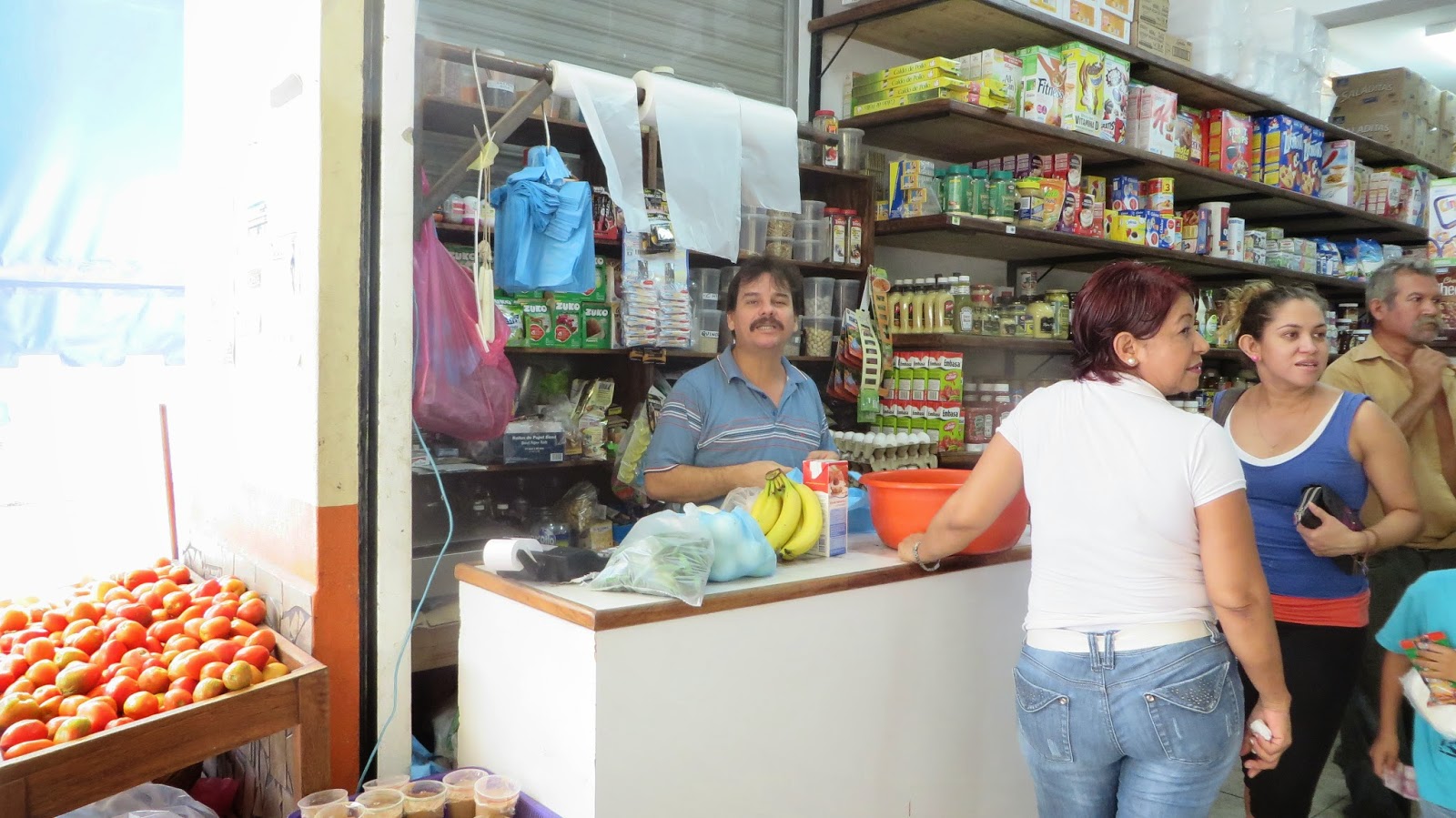
Grace on the right – we buy a lot of our vegetables and other food items here. She will go out of her way to bring in whatever you want


Cheley- great food selection and he too will bring in what he can for you


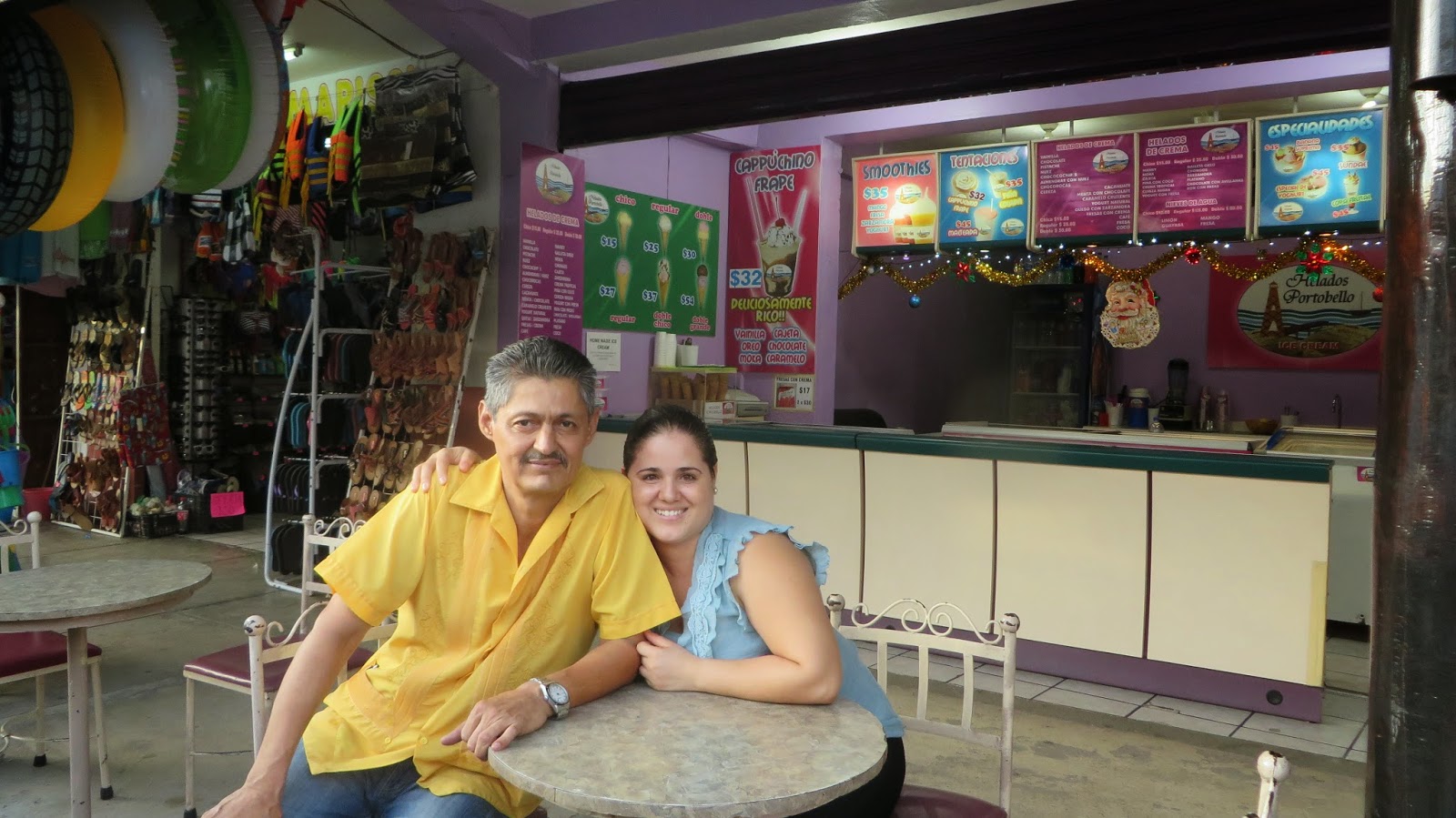
Gaby and Jesus Portobello – she makes the best homemade ice cream


Cheley’s fathers store
 

PACKING TIPS

PACKING TIPS
 Never let your mind tell your heart not to wander.
As I was packing for our 4-month trip to Mexico, I thought this would be a good time to share tips that I have gleaned from other blogs, friends, plus lessons I have learned myself.
Here are some tips and not necessarily in order of importance:

1.       Travel plug adapter (depending on where you are travelling)

2.       Diva cup: For the ladies, an alternative to pads/tampons

3.       Kindle or eBook Reader. Saves on weight and having to find English books on the road

4.       iPhone/Smartphone, charger, and headphones. If you unlock your phone you can buy cheap SIM cards and plans for well less than $10.00 a month

5.       Mini flashlight

6.       Camera or use your phone

7.       Copy front and back of your credit cards, debit cards, drivers licence, health insurance card. If any of these are lost, the important numbers are on the back of most cards. When my wallet was stolen, having a copy of these documents saved a lot time and frustration.

8.       You should also have a paper with your blood type, allergies, chronic illnesses, and medicinal intolerances. You can also add an ICE (in case of emergency) person’s name and contact number.

9.       Solid shampoo by Lush

10.   Pack in two basic colors. I usually pack black and white with some colour thrown in.

11.   Buy some inexpensive plastic rain ponchos that fold down to nothing.

12.   Scarves are very versatile. They will brighten up your wardrobe and can keep you warm if needed.

13.   Do not take expensive jewellery. Either take some inexpensive baubles and bangles or buy some along the way
.

14.   Drip dry underwear that dries overnight. Try www.exofficio.comor go to my travel store where you can purchase the same items for less.

15.   Wear your heavy sweater or a coat on the plane. It can act as your pillow or a blanket and won’t take up room in your suitcase.

16.   Small medical kit: Band-Aids; Dramamine, Imodium, Benadryl, aspirin, and any medicine that you are taking. Most countries will have whatever you need.

17.    Toiletries: Pack small amounts of shampoo, conditioner, deodorant, lotion, toothpaste, and soap. Again, you will be able to purchase these items just about anywhere you travel. Toothbrush, toenail clipper, and nail file.

18.   Doorstop for more security in your accommodation. Lee Valley has a reasonably priced one.

19.   A small foldable bag for use on the way home as a second suitcase to put all those purchases.

20.   PacSafe backpack. I used this backpack in Europe. It is lightweight and has pickpocket proof features. You can find the link on my travel store. Very reasonable price as well.

21.   Zip-lock bags to keep dirty laundry in or to keep liquid items from spilling in your suitcase.
So pack light and you might have room in your suitcase to bring back a few small souvenirs. As one blog put it, “If you are on a multi-city itinerary you can rest assured that one city doesn’t wire ahead to the next to describe what you wore…”


ETIQUETTE IN OTHER COUNTRIES OR HOW TO BE A GOOD TOURIST

ETIQUETTE IN OTHER COUNTRIES OR HOW TO BE A GOOD TOURIST

 “If you reject the food, ignore the customs, fear the religion and avoid the people, you might better stay home.  James Michener
At lunch, I ask for a cappuccino. After all, I am in Italy. The waiter scrunches his nose, says he’ll bring it and walks away shaking his head. “What’s up with that?” I ask a friend when you return home. In Italy, it is considered rude to drink a cappuccino after 11 in the morning. Who knew?
 
When we finish our meal and are ready to go, we must ask for the check (il conto). The waiter will not put a bill on the table unless it is past closing time, it would be considered rude. When meeting a new person for the first time, a handshake is fine, although Italians who are friends usually greet each other with a kiss – the left cheek, first, then the right.
 
My search into etiquette rules for other countries started with a simple question to my favourite Mexican forum. “When travelling in Mexico are there any “rules” of etiquette that we should be aware of in order to make us more welcomed?” This question sparked a lot of online discussion, and led to some very interesting and unexpected observations. 
 
In particular, Canadian tourists tend to bring their country’s flag with them when crossing the border. While most observe the proper placement of the Mexican flag above their flag, some do not. All said and done, the majority on the forum, and some who live there year round, agree that we should not flaunt our flag in another country. 
 
The other point that was made, and this would apply to any country you are visiting, would be to try to speak a few words in that country’s language. The locals appreciate it. I had an experience at a store, where I was trying to purchase a dress for a three-year-old. I used the wrong word for “year” and the store clerk giggled, pointed to her behind, and corrected my pronunciation. We all had a good laugh and I never forgot how to say year – and now know the Spanish word for “rear”!
 
In Chile, you should not put your hands under the table when eating in company. When smoking, offer a cigarette to everyone. There is a Chilean saying for those who do not offer to share: “Did you learn to smoke in jail?” Women in Chile may be bombarded with catcalls. It is a harmless gesture, and meant to flatter.
 
When invited to someone’s home, what to bring as a gift in good taste varies from country to country. In most places, it would be acceptable to bring flowers, wine or chocolate; just be careful of the type and colour of flower you bring. For example, in Italy, chrysanthemums are for funerals only. In Mexico, marigolds symbolize death and red flowers have a negative connotation. The Chinese associate all flowers with funerals.
 
When sightseeing at churches in different countries, dress appropriately.  Shorts, sleeveless tops, low-rise jeans, or anything that reveals a lot of skin is not acceptable. Also, to be safe, skirts should cover the knees. Bring a sweater or shawl to cover your arms. The shawl can also be used to cover your head, if necessary.
 
A little bit of research on the country you are visiting will give insight to their customs and rules of etiquette. A fun website to search is www.fekids.com, also known as “Don’t Gross Out the World.” This site teaches you different cultural customs using a question-and-answer method. Here is an example:
 
Q: In a Spanish snack bar, what should you do with your crumbs, old napkins, food wrappers and other debris?
1) Pile everything up on an empty plate
2) Just throw everything on the floor
3) Use the trash bags provided on every table.
A: In snack bars in Spain, they sweep everything up at the end of the evening – you are expected to dump stuff on the floor!
 
Learn a couple of simple phrases such as please, thank you and you are welcome. A phrase book, along with expressive gestures will go a long way.
 
Finally, remember the golden rule. Treat people like you want to be treated and you will have a fantastic holiday.
 
www.fodors.com
www.wikipedia.org

 

Kitselas Canyon

“Once a year, go someplace you’ve never been before.” Dalai Lama
Fifteen kilometers east of Terrace, B.C. lays the Kitselas Canyon on a narrow section of the Skeena River. It is home to the Gitselasu or commonly known as the Kitselas people. In recent years, the Gitselasu have developed four longhouses and a carving shed and gift shop as well. Kitselas Canyon was designated a national historic site in 1972. The Historic Sites and Monuments Board of Canada listed the reasons below:
          “It encompasses approximately 5000 years of Aboriginal history and is a place of major significance to the people now known as Tsimshian;
          In the 19th century, two permanent Tsimshian villages occupied a strategic position on the river, giving the people here control over the gateway between the coast and the interior, and therefore control of trade with the Hudson’s Bay Company. The fact that Gitlaxdzok was a fortified village site makes it unique on the north coast; and
          The cultural record is especially rich and has allowed detailed archaeological reconstruction of the culture history at Kitselas Canyon, including aspects of social change, the lasting relationship with people on the coast, vast trade networks, and changes in settlement patterns. “
Archaeological research and excavations at the Kitselas Canyon have been carbon-dated to 5,000+ years.
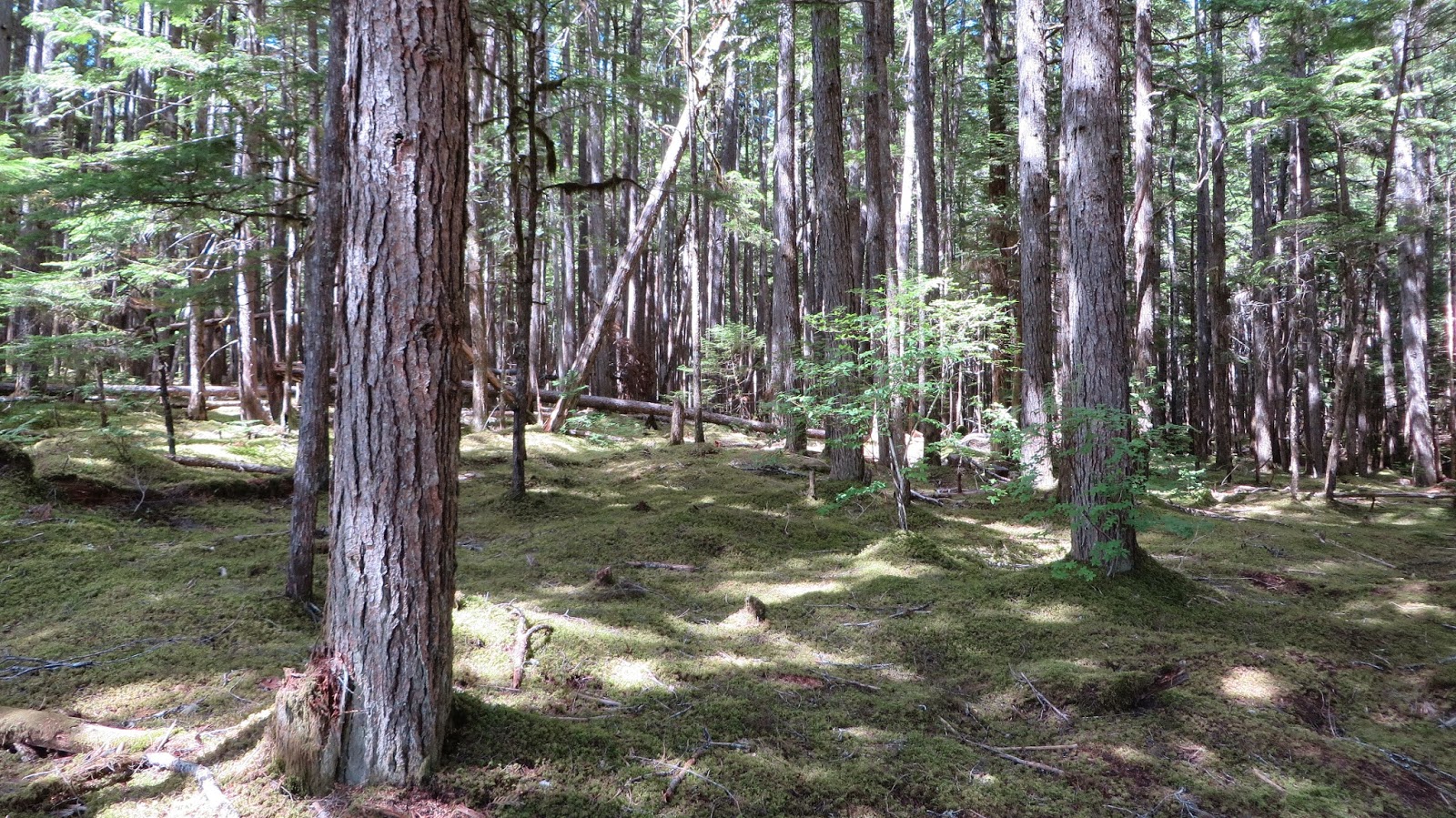
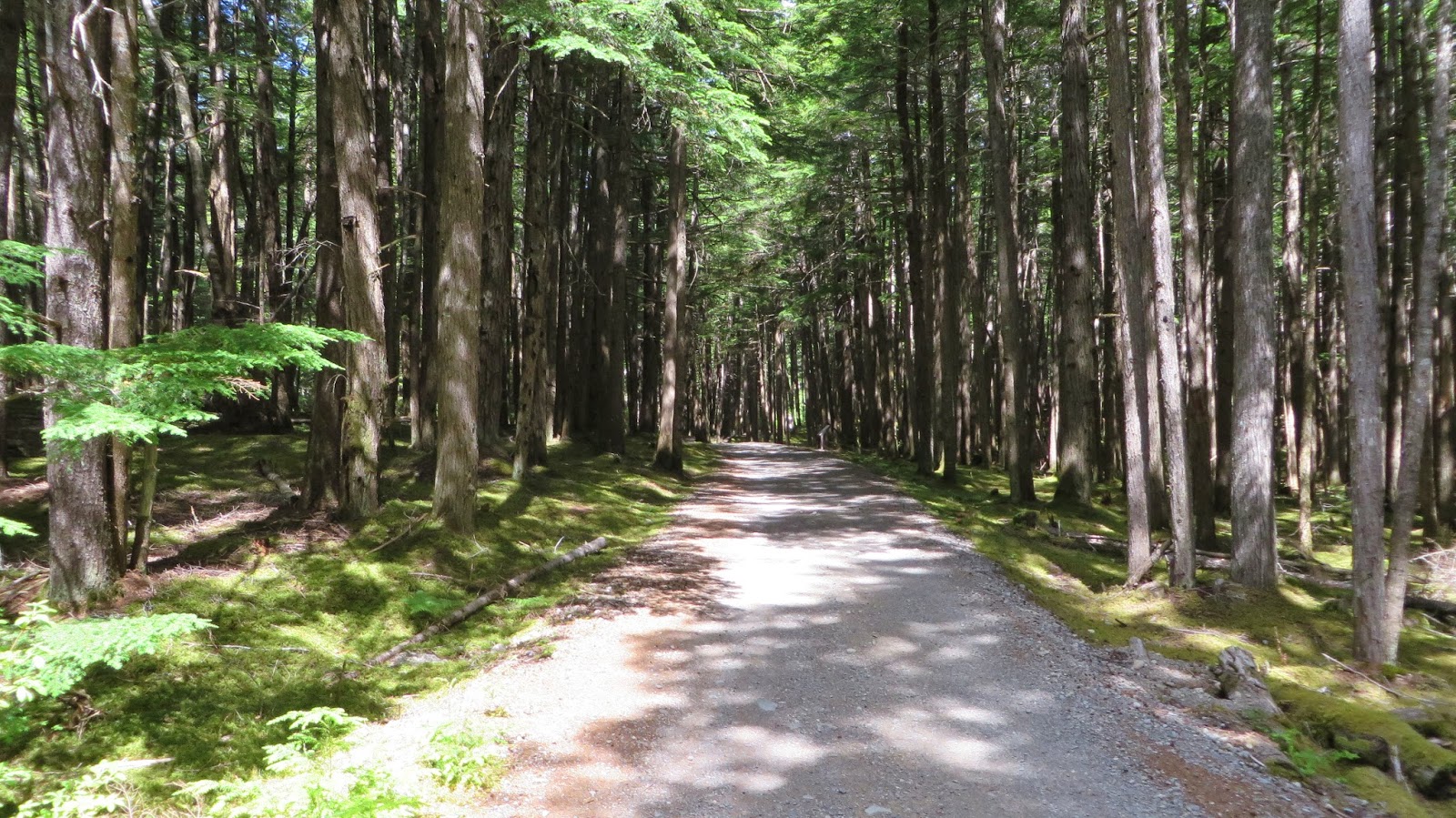
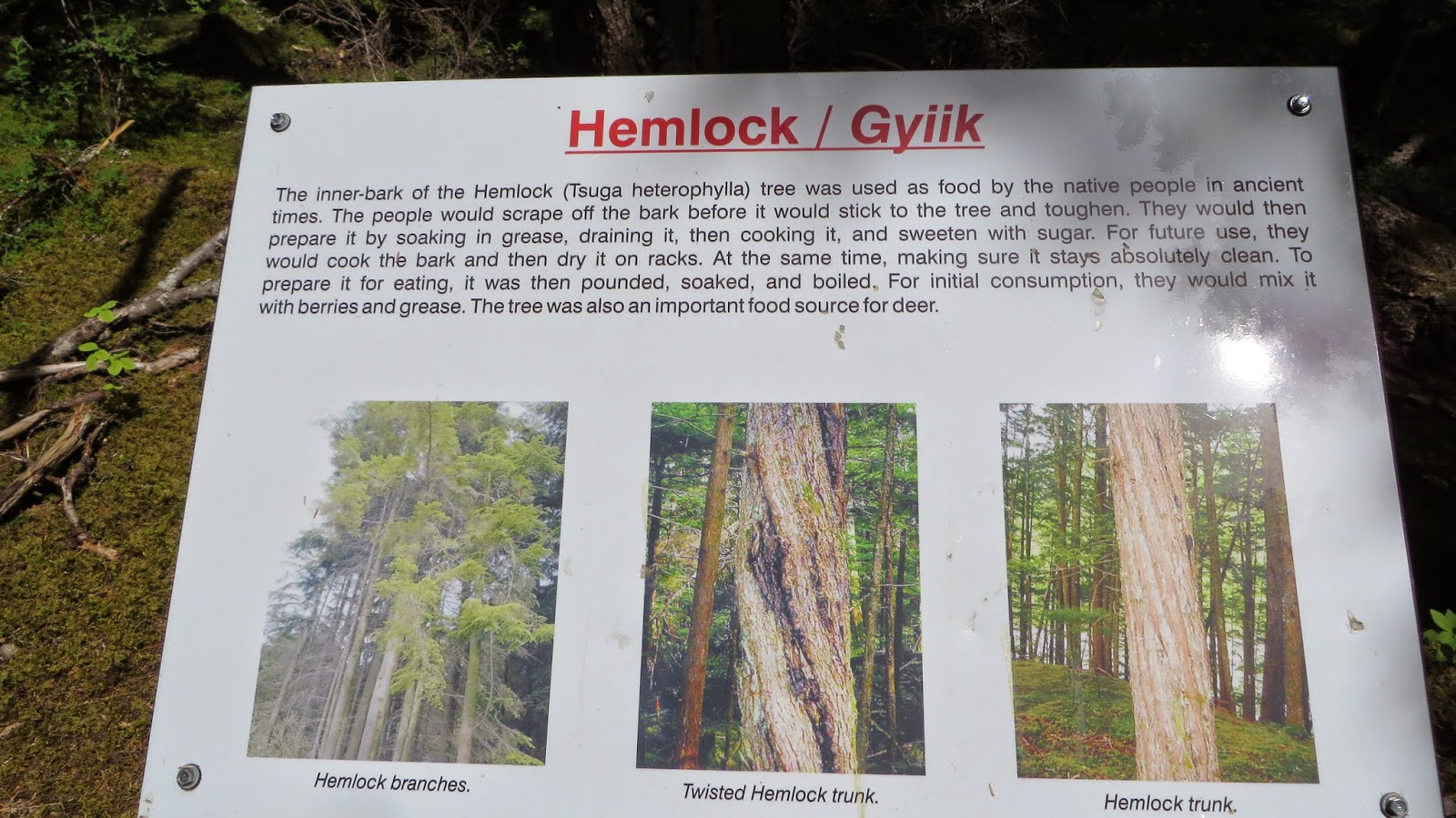
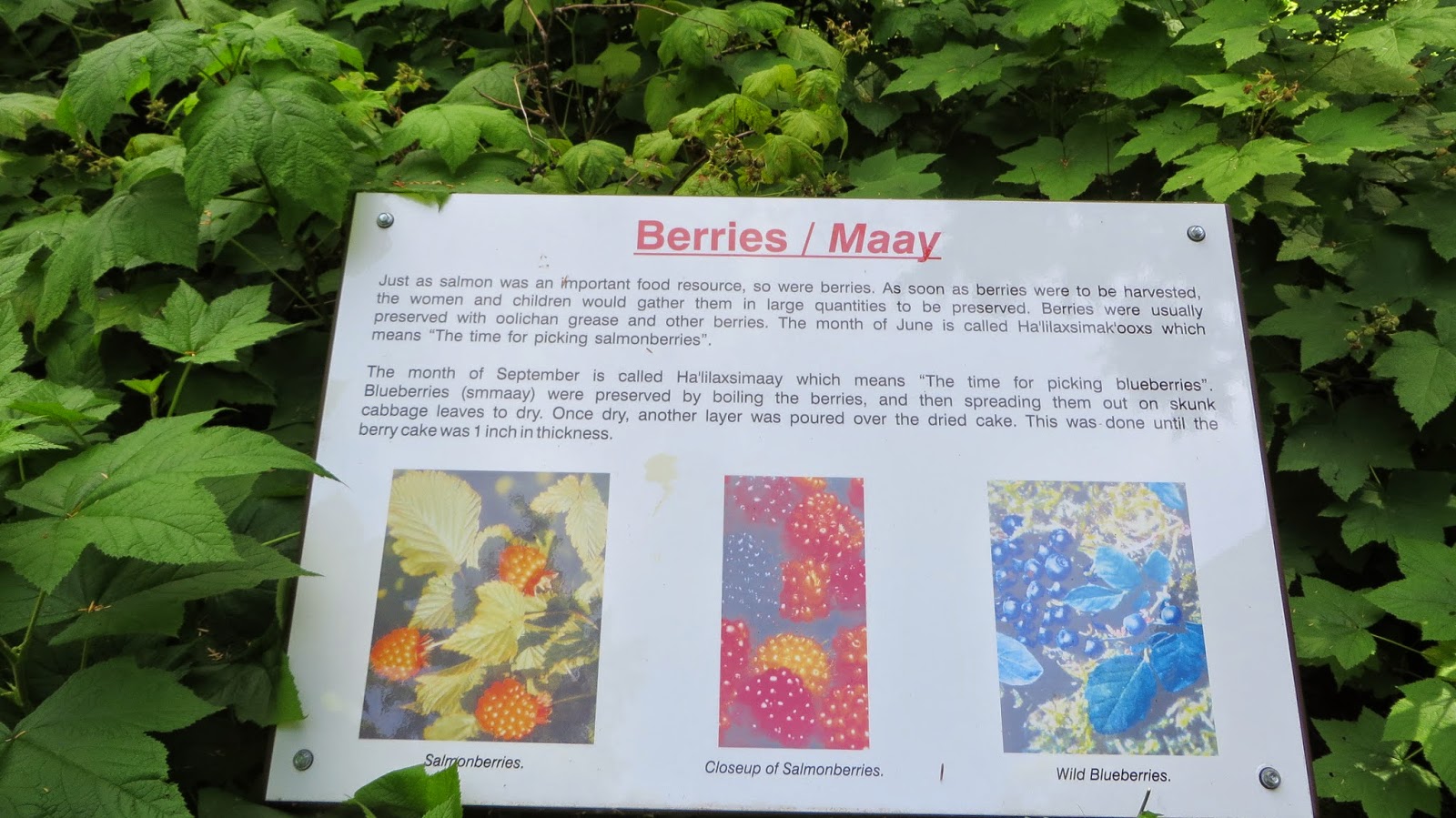
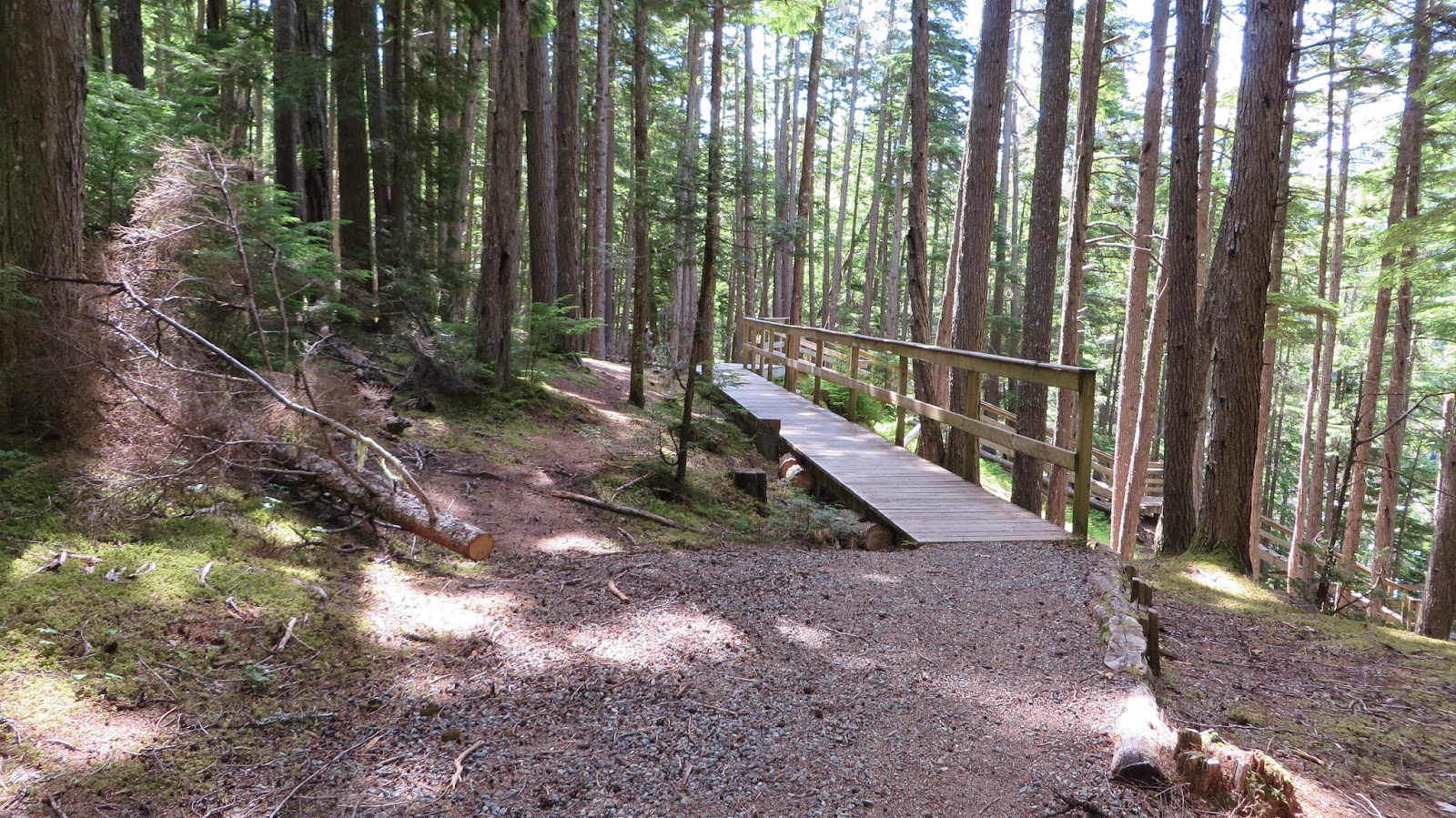
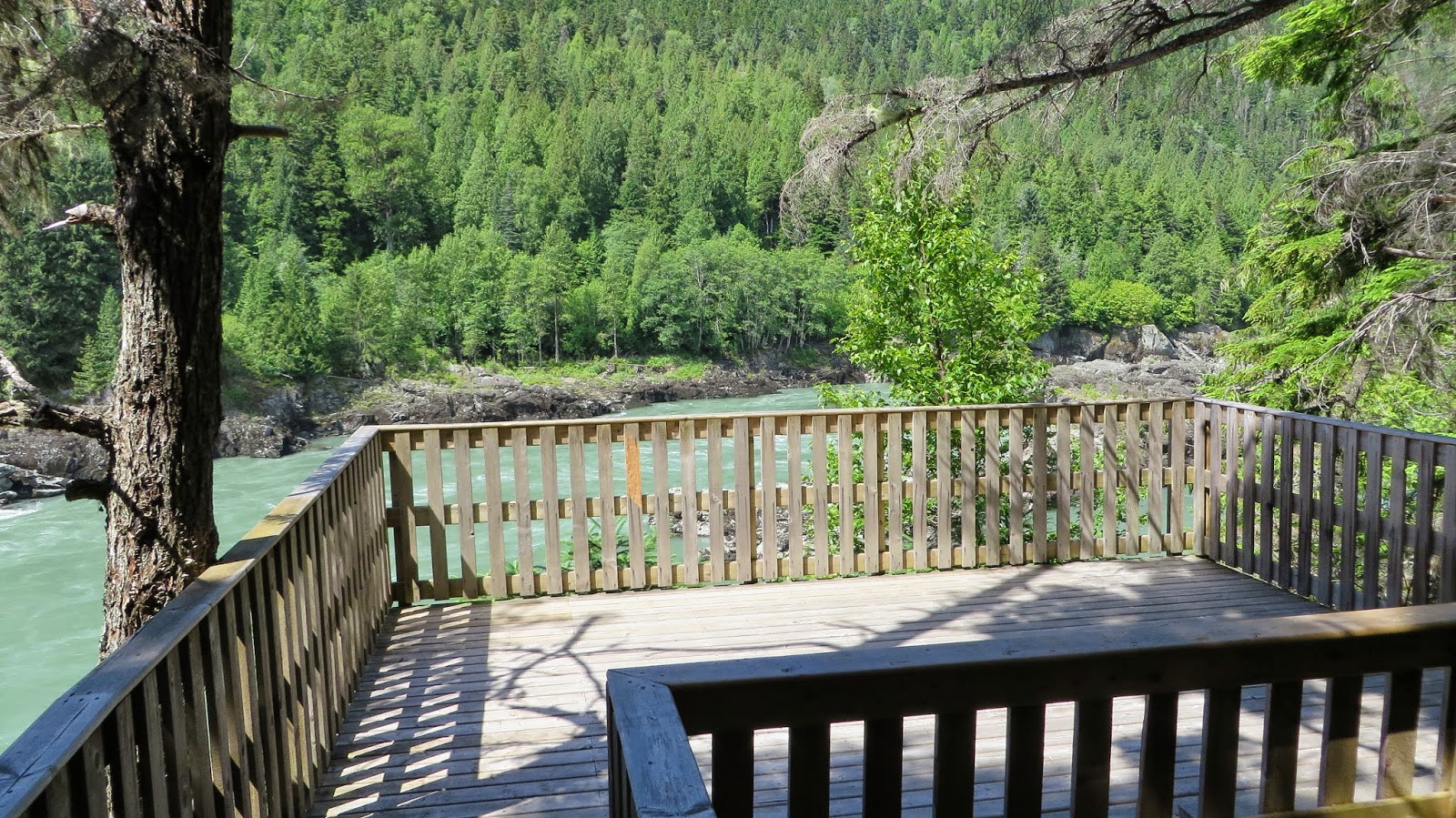
The 1.1 km interpretive trail that leads to canyon, petroglyphs, and Ringbolt Island is an easy hike. It is so quiet that the sounds of our shoes on the gravel trail seem like an intrusion in this peaceful setting. One could easily forget that 2 km back is a busy highway. It felt like we had stepped back in time. Along the way, there were various informational kiosks about the flora, and fauna. We did not get a guide but it would be worth the cost.
Trail


wooded area


Trail


Trail


Informational kiosk


Informational kiosk


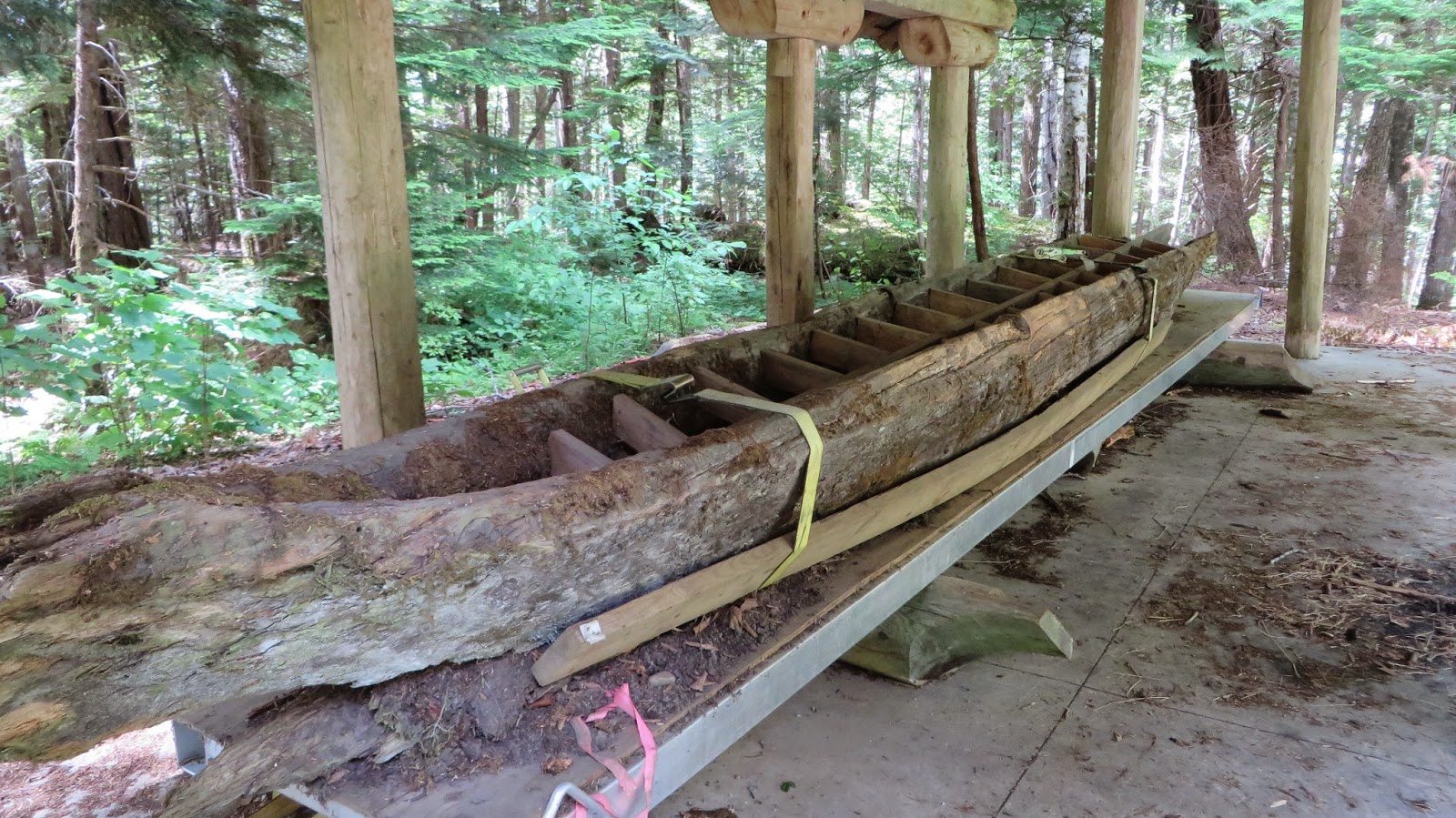
canoe


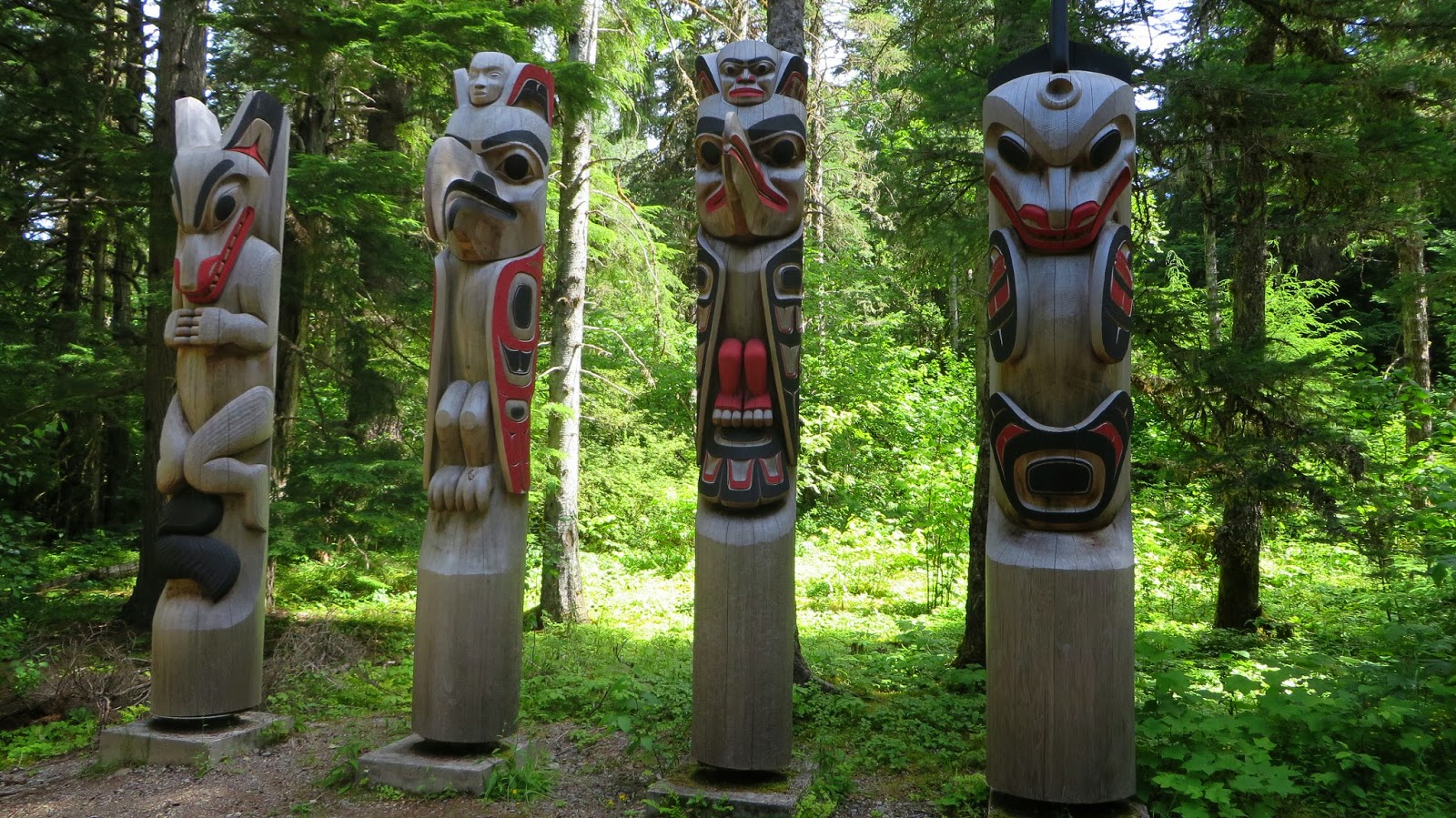
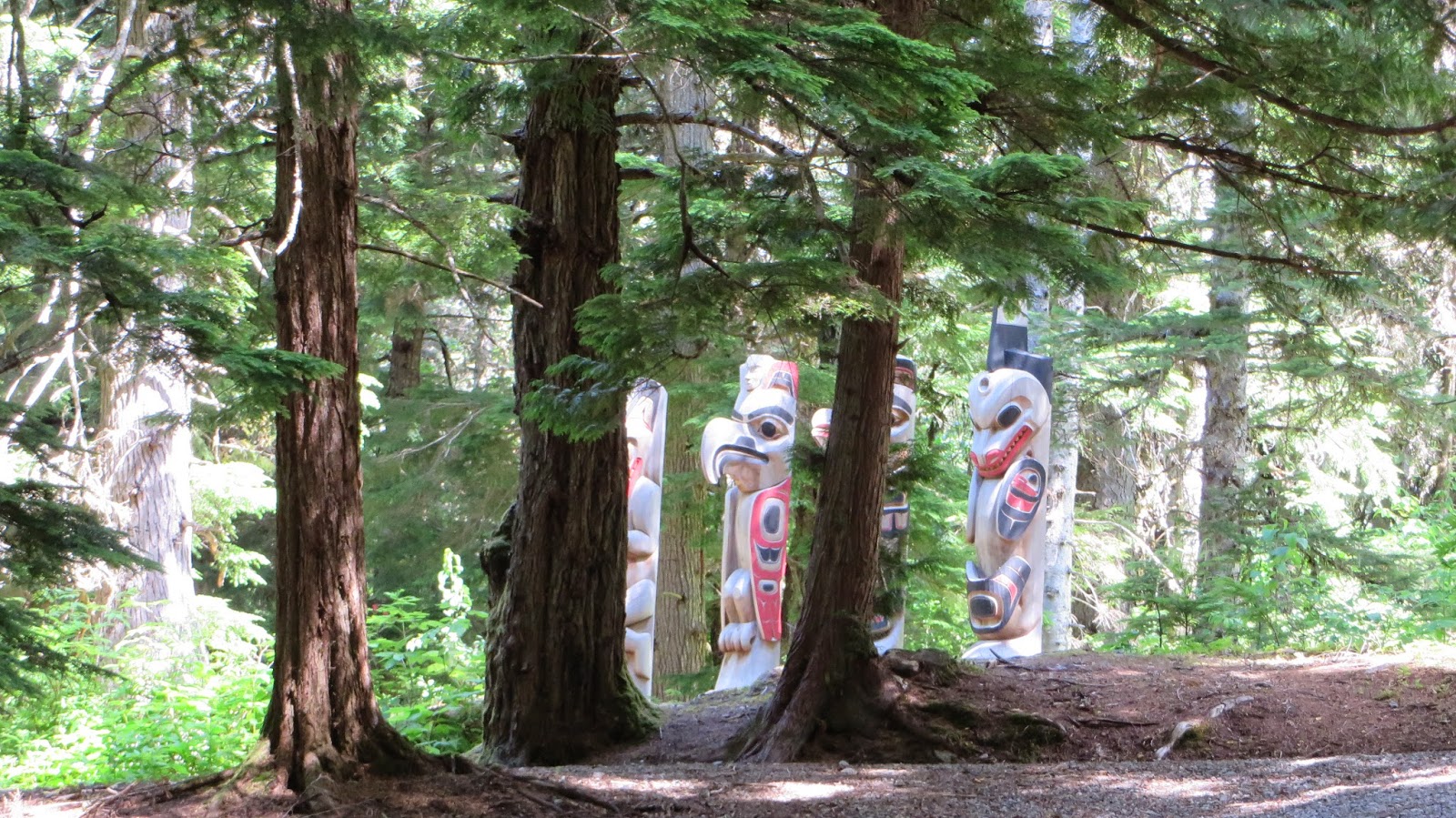
totems


Information Kiosk


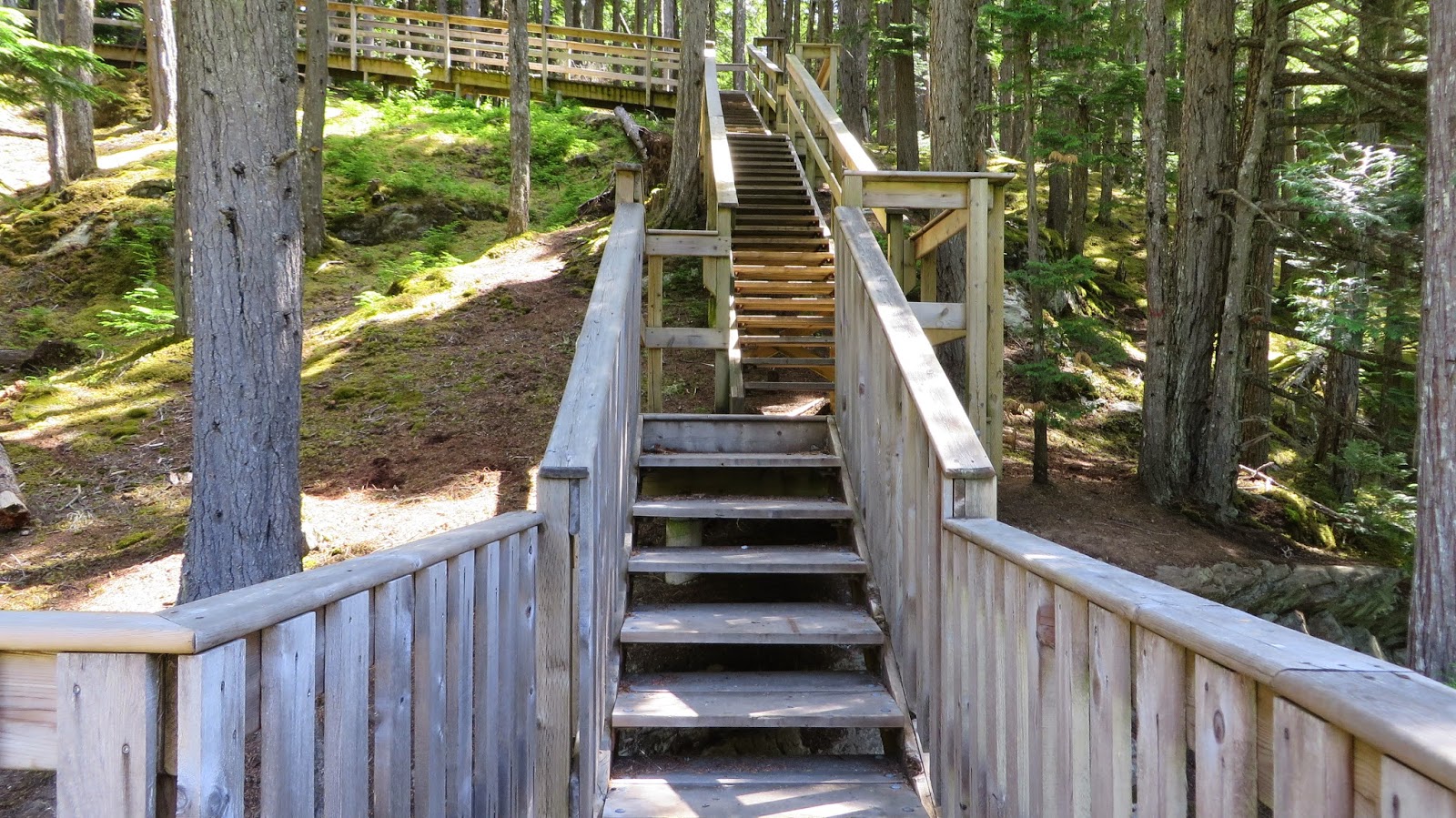
Walkway leading to viewpoint


Stairs leading to viewpoint


Viewpoint


Totems
Below are the costs for the guided tours taken from their website.
Open to the public for self-paced walk/tour. Gates are open during regular business hours 8am-4pm.
Guided tours call: 250-635-5084
Admission with Guided tour including the Longhouse:
Adults – $16.00
Children – $10.00
Seniors – $8.00
School – $65.00 per class (Max. 40 students)


St. Ignace, Michigan

St. Ignace, Michigan
 “We travel not to escape life, but for life not to escape us.”
Our first stop on the way home was St. Ignace, a lakeside resort on the shores of two of the Great Lakes, Michigan, and Huron.
We stayed at the Best Western Harbour Pointe Lakefront hotel. Our room was very large and we had a balcony with a partial view of the lake.
On recommendation from the hotel staff, we dined at the Galley Restaurant and Lounge. In addition to the fresh caught trout, whitefish perch and walleye, they have a vast array of dishes to from which to choose. The Gierlaszynski family has owned them since 1976. Delicious food! www.galleyrest.com
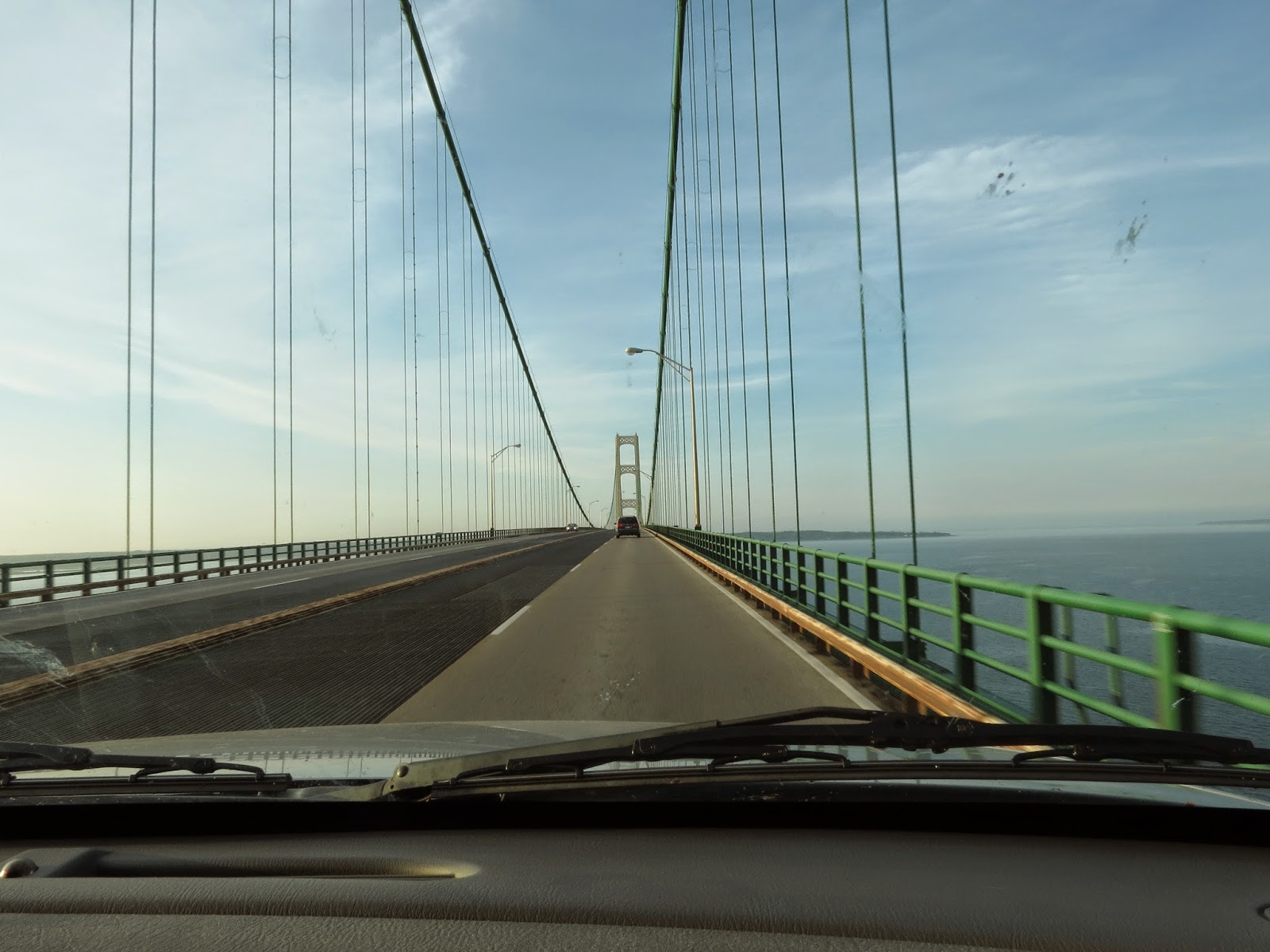
We stayed only one night but I would go there again just to do and see the many things available. One is visiting Mackinac Island. You can take one of the three ferry companies: Arnold Transit, Shepler’s Ferry, and Star Line Ferry. Each has their own fleet of high-speed ferries that can take passengers from port to island in less than half an hour.
Mackinac Island is an automobile free island. The ban on automobiles was initiated in 1898. You can get around by foot, bike, horseback or horse-drawn carriage.
There are many things to do on the Island. You can hike in a boreal forest in Mackinac Island State Park; bike on the coastline (they have bicycle rentals along with Electric Amigo and Adult strollers); buy gifts at one of the island’s many shops (4 mini-malls); kayak in the bay; enjoy live concerts; visit art galleries;  or just relax.
Mackinac Island Carriage Tours is the oldest and largest horse and buggy livery in the world. You will start with a two-horse hitch for part of the tour and then onto a three-horse hitch for the remainder.
Gough Livery Carriages offers private carriage tours for up to eight adults. They will pick you up at the place of your choosing and drop you off at your choice of location.
Jack’s Livery Stable offers Drive Your Own Buggies. Buggies are available for 2, 4 or 6 people and are available by the hour. Stable hands give a short lesson on how to drive and then you are off to
explore.
Superior, Wisconsin
Second night we arrived at Superior, Wisconsin at the Best Western Bridgeview Motor Inn. Nice room and good breakfast the next morning.
We were fortunate enough to discover the Anchor Bar & Grill on Tower Street. Don’t be daunted by the exterior nor the funky interior with the hanging swordfish; several world globes; hard hats, pike pole, life rings etc. It was interesting to see all the paraphernalia around the room. You could spend a lot of time just trying to take it all in.
The menu was also very impressive. 1/3 lb burgers such as sour cream & mushroom; Reuben burger with sauerkraut, Swiss cheese and Thousand Island dressing; or cashew burger made with cashews, Swiss cheese, and the olive burger with green olives and cream cheese, which I chose and was not disappointed.
They also have 2/3 lb Anchor burger or the 1 lb. galleybuster. I am not sure how many people can eat that much but apparently they sell quite well.
Excellent service as well. Check out their complete menu and story at www.anchorbarandgrill.com
Winnipeg, Manitoba
Visiting good friends was the reason we stayed 3 nights in Winnipeg and we would not have missed their company or the little we saw of Winnipeg. Winnipeg surprised us in a good way.
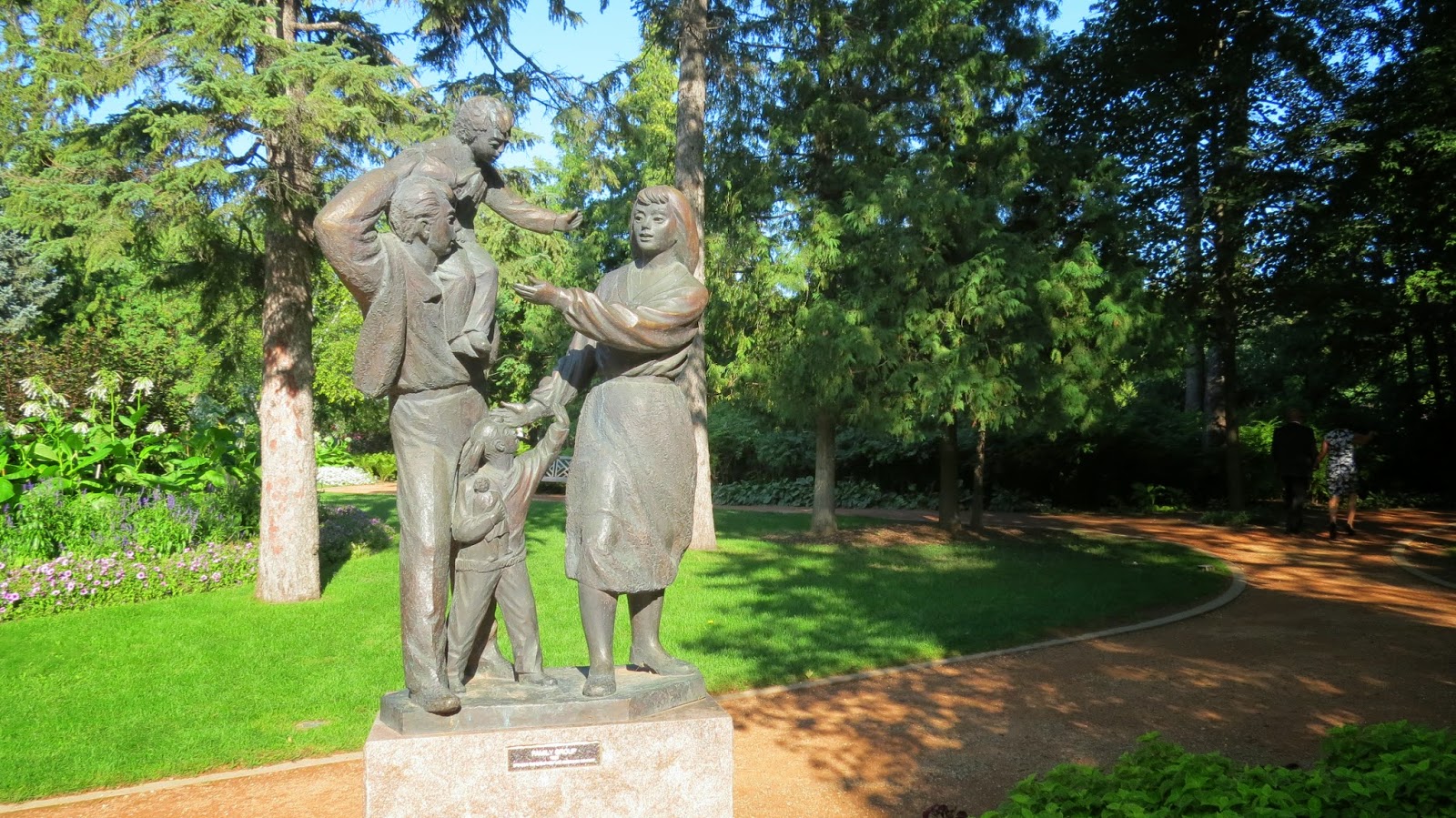
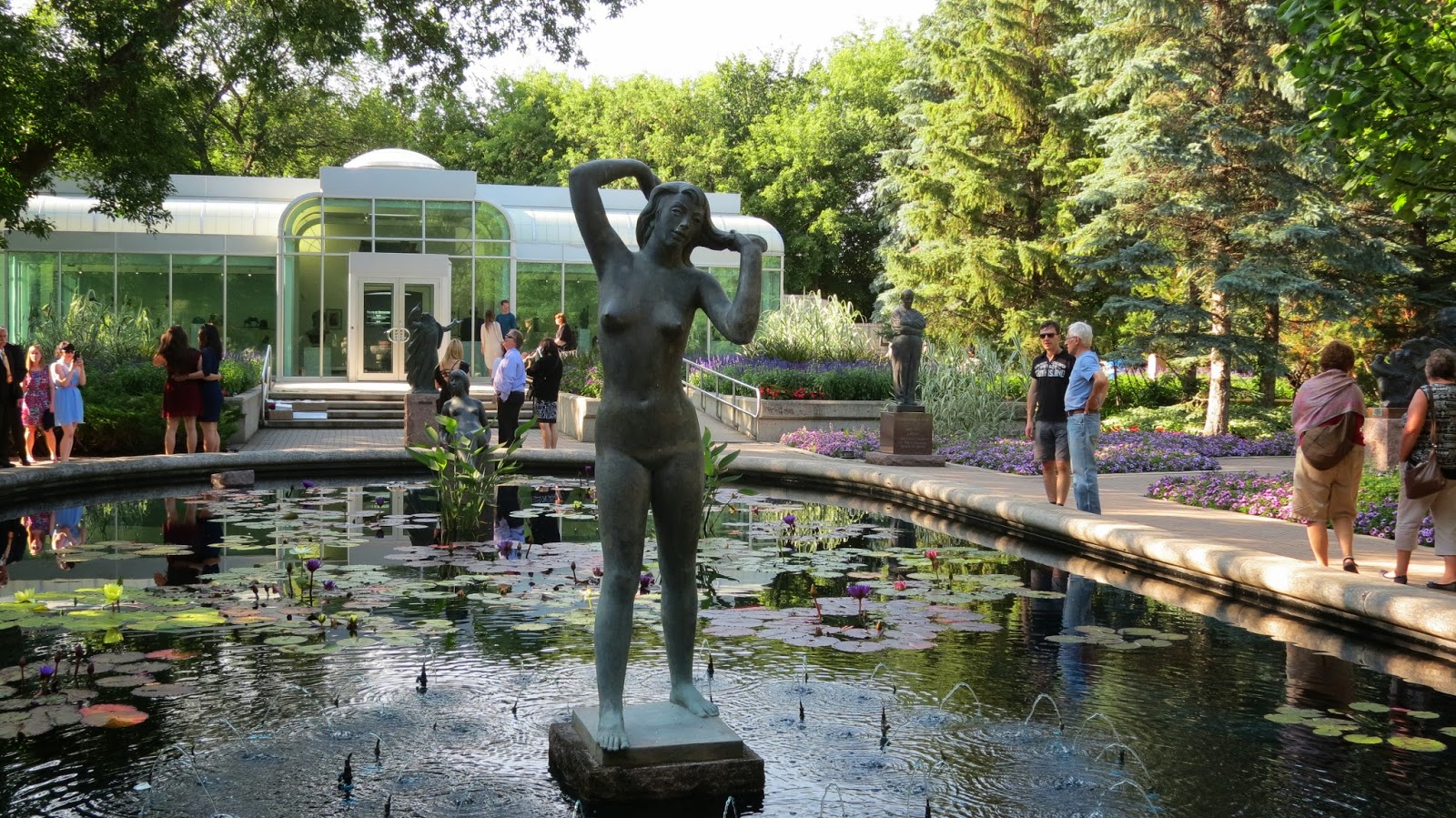
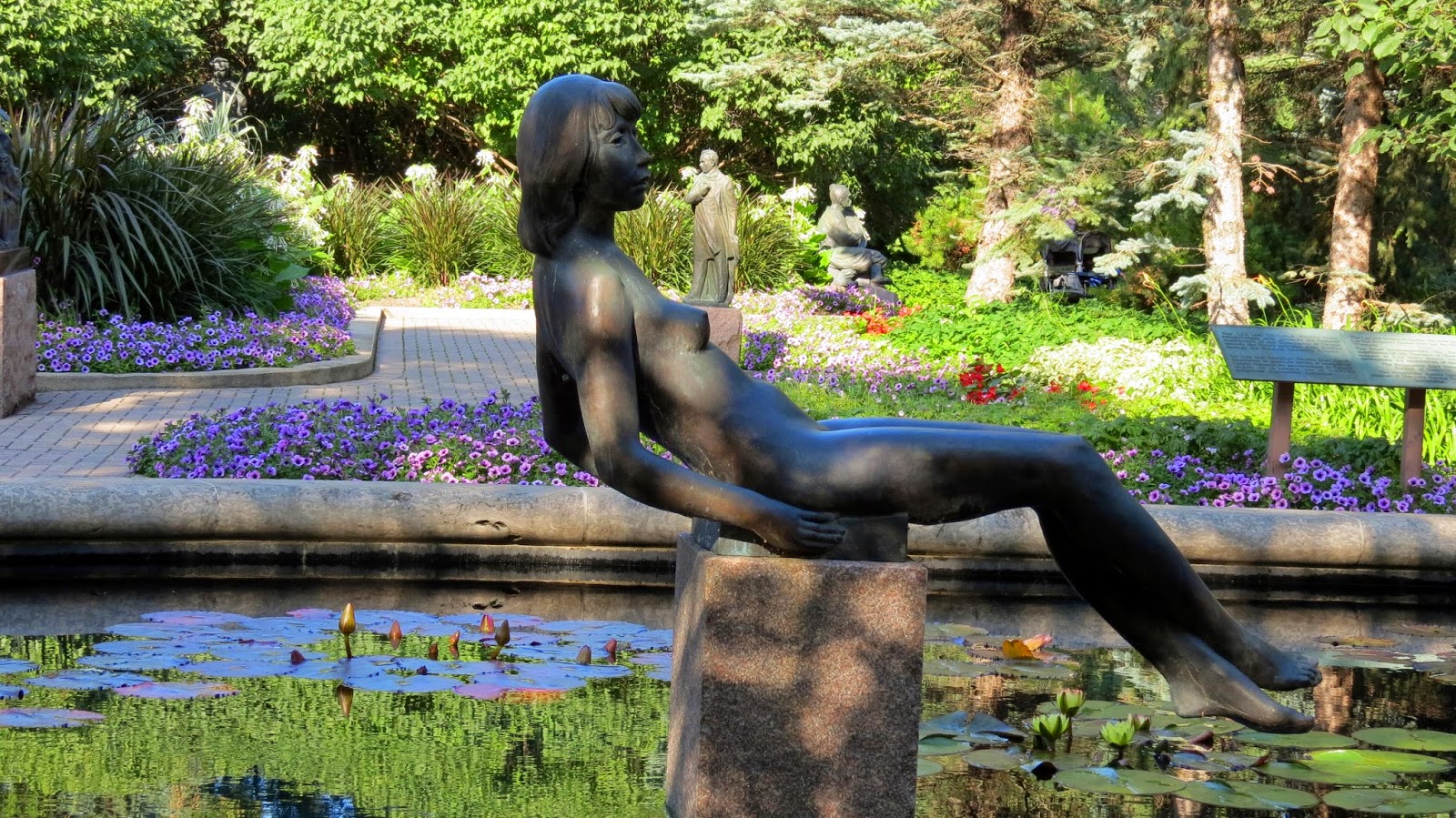
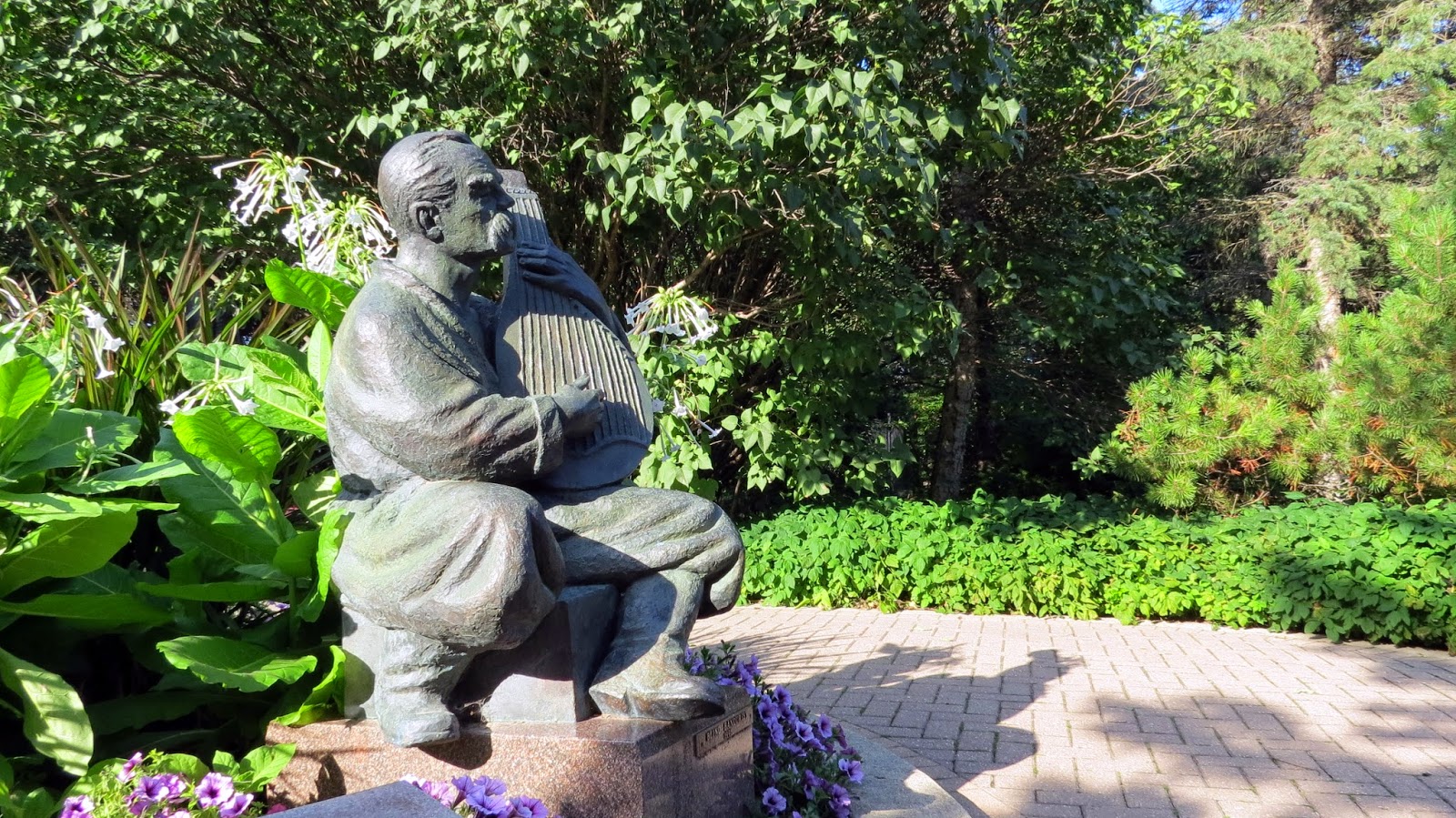
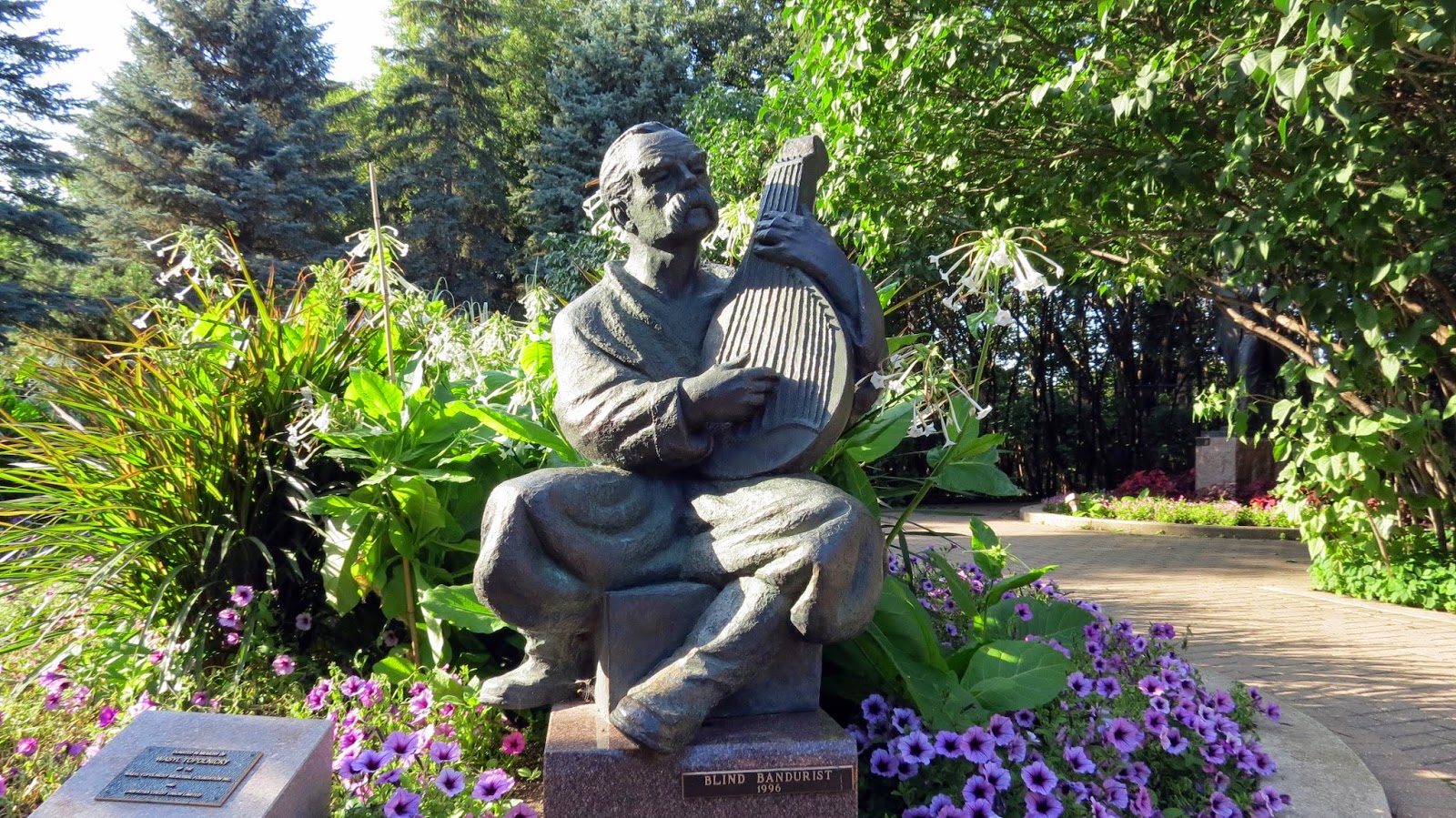
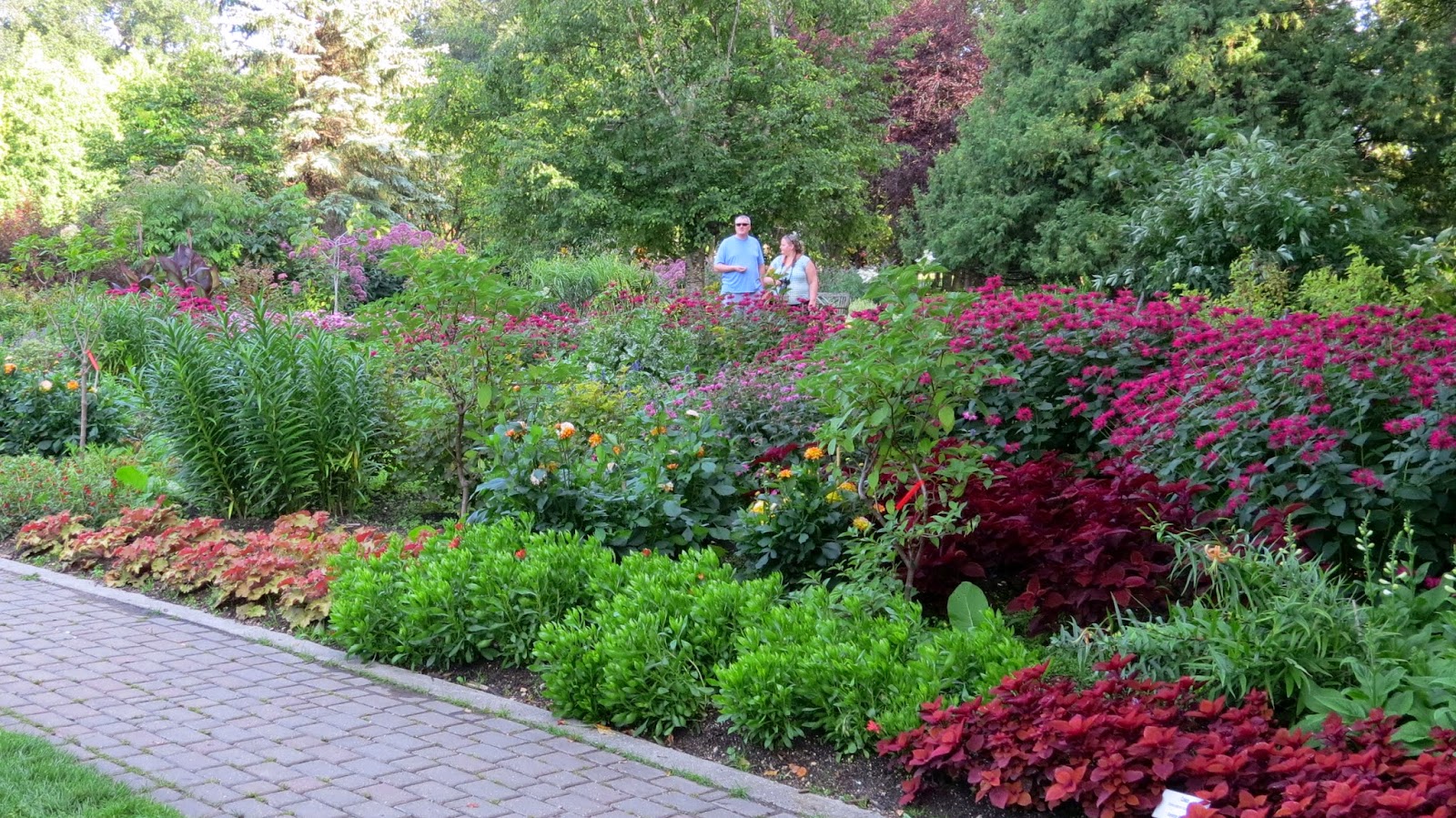
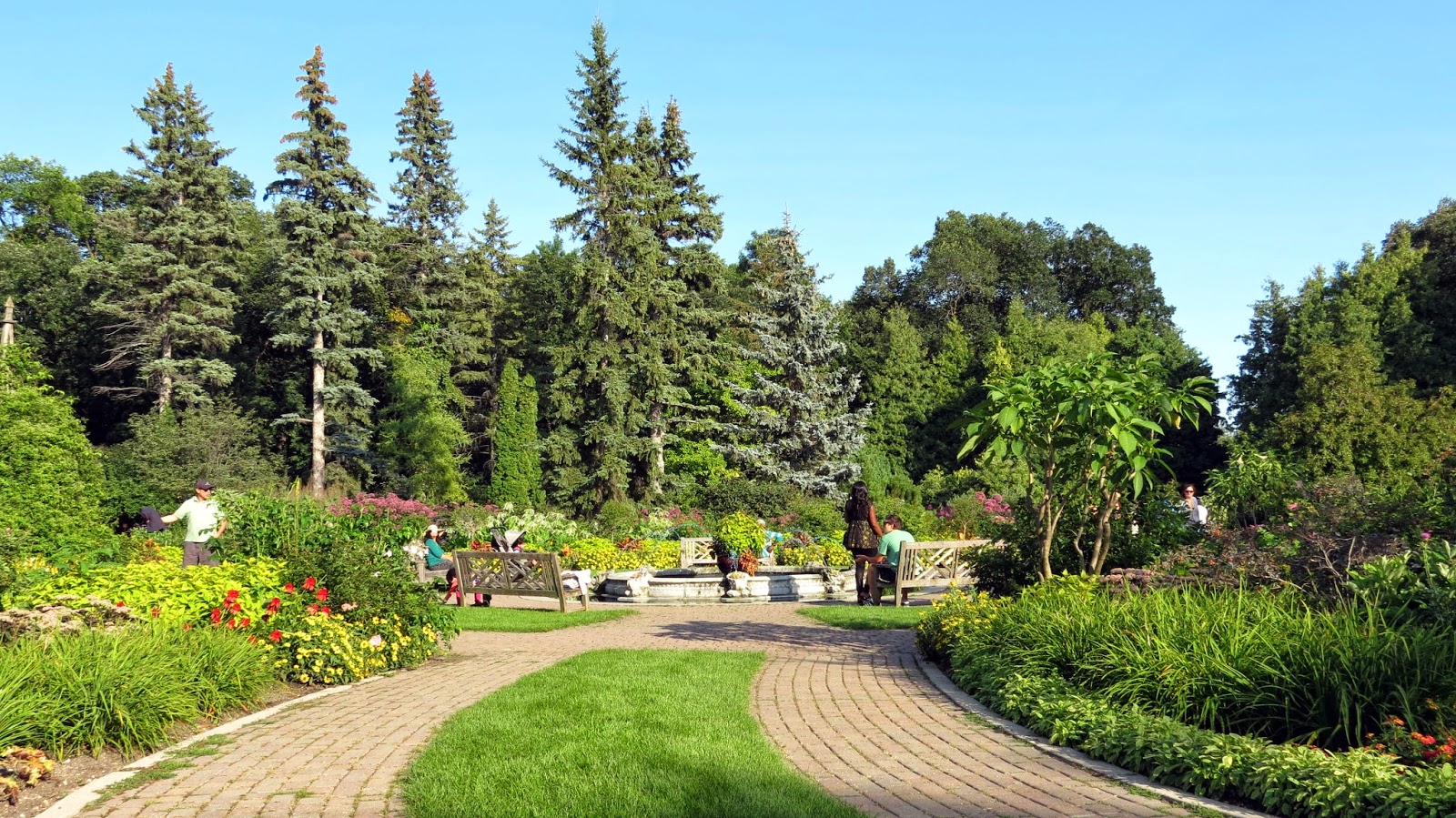
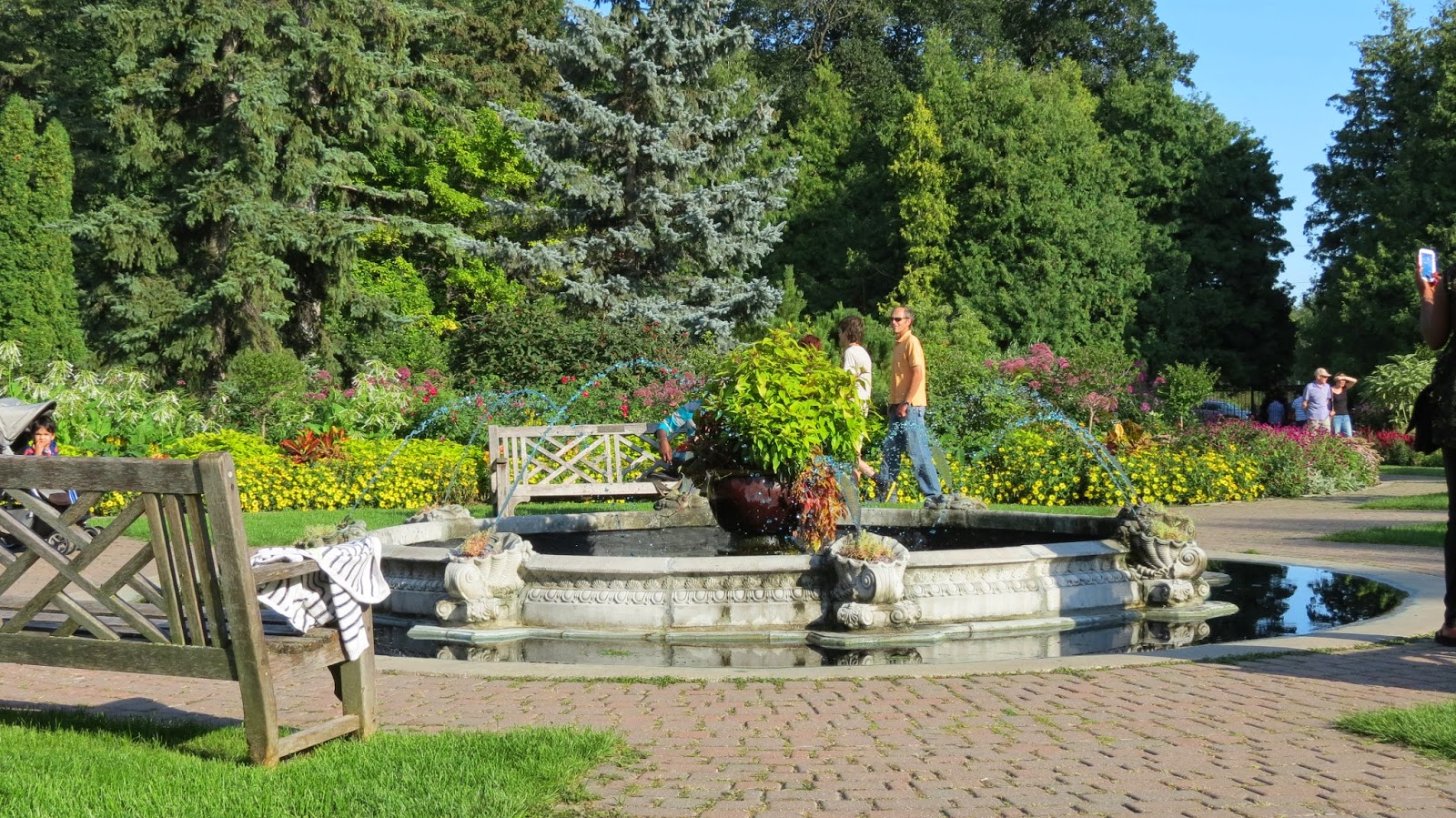
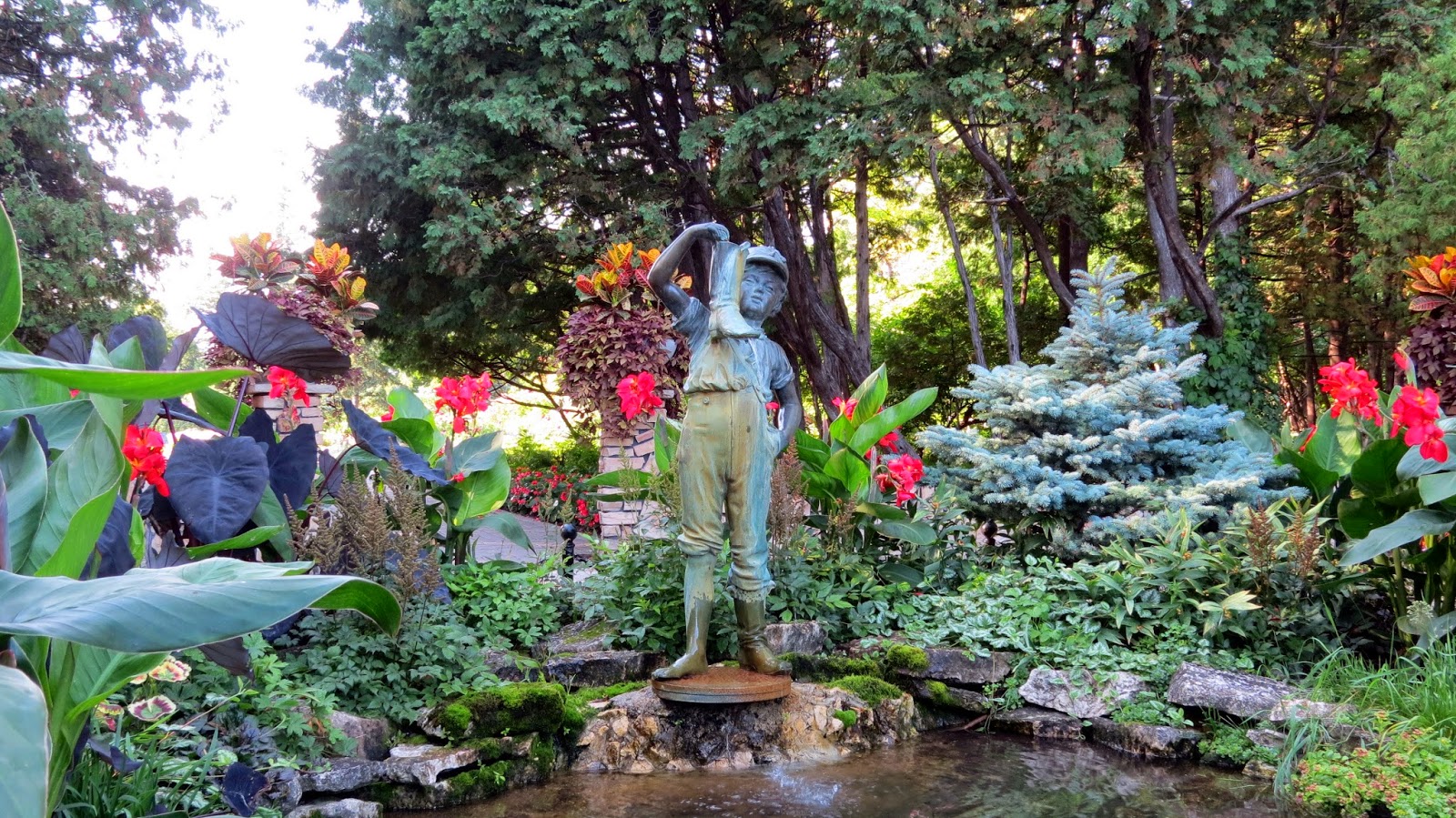
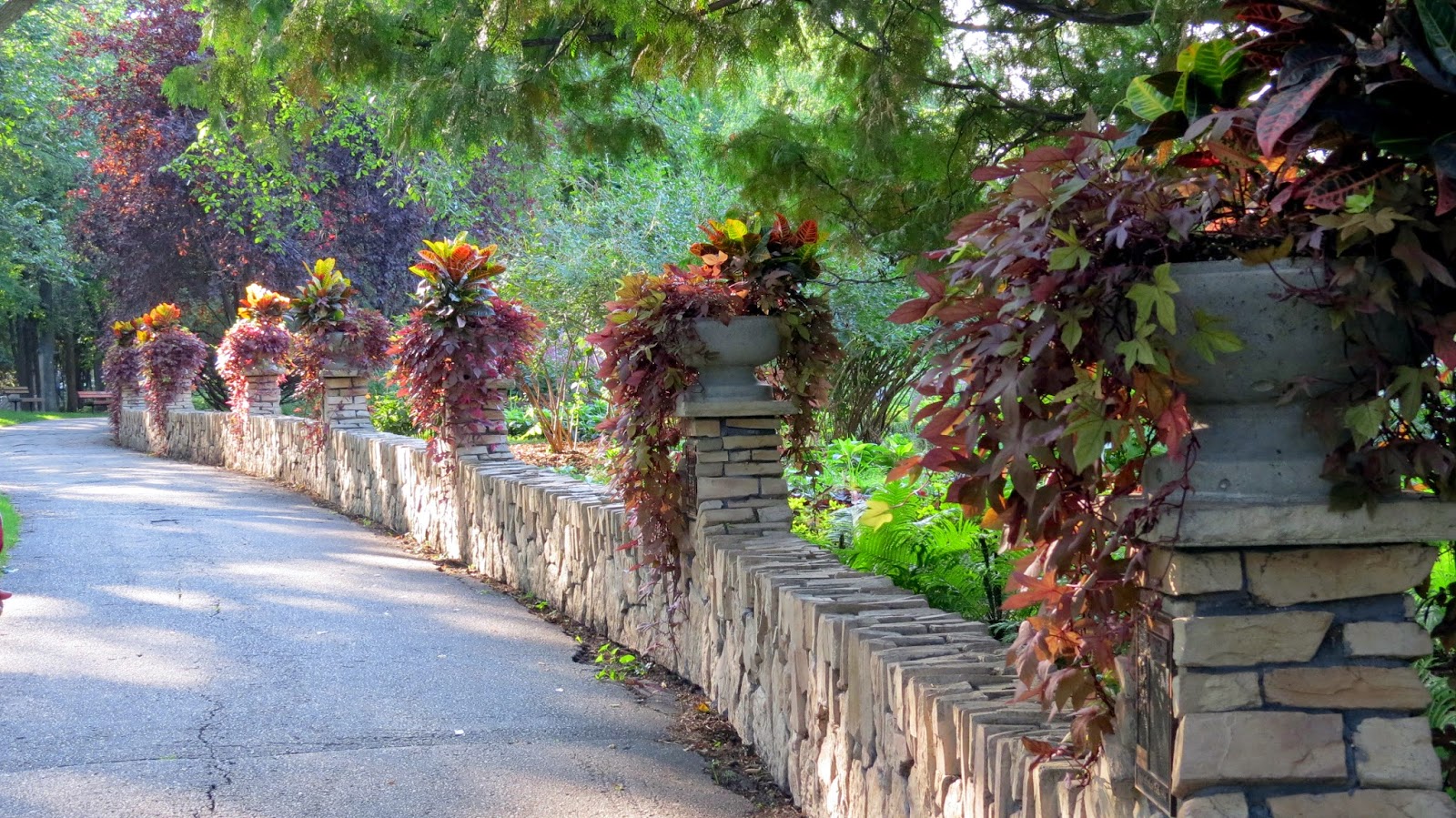
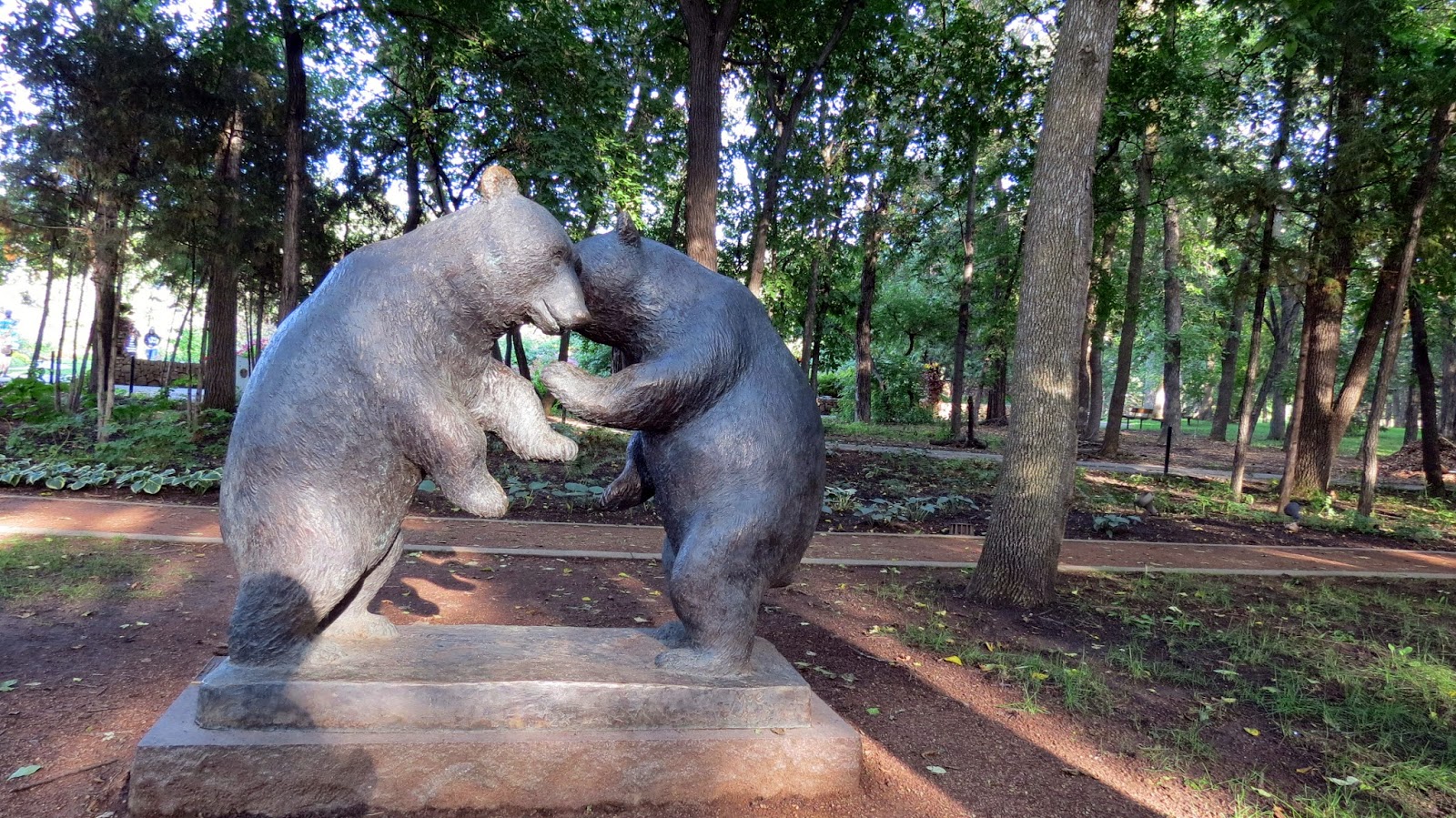
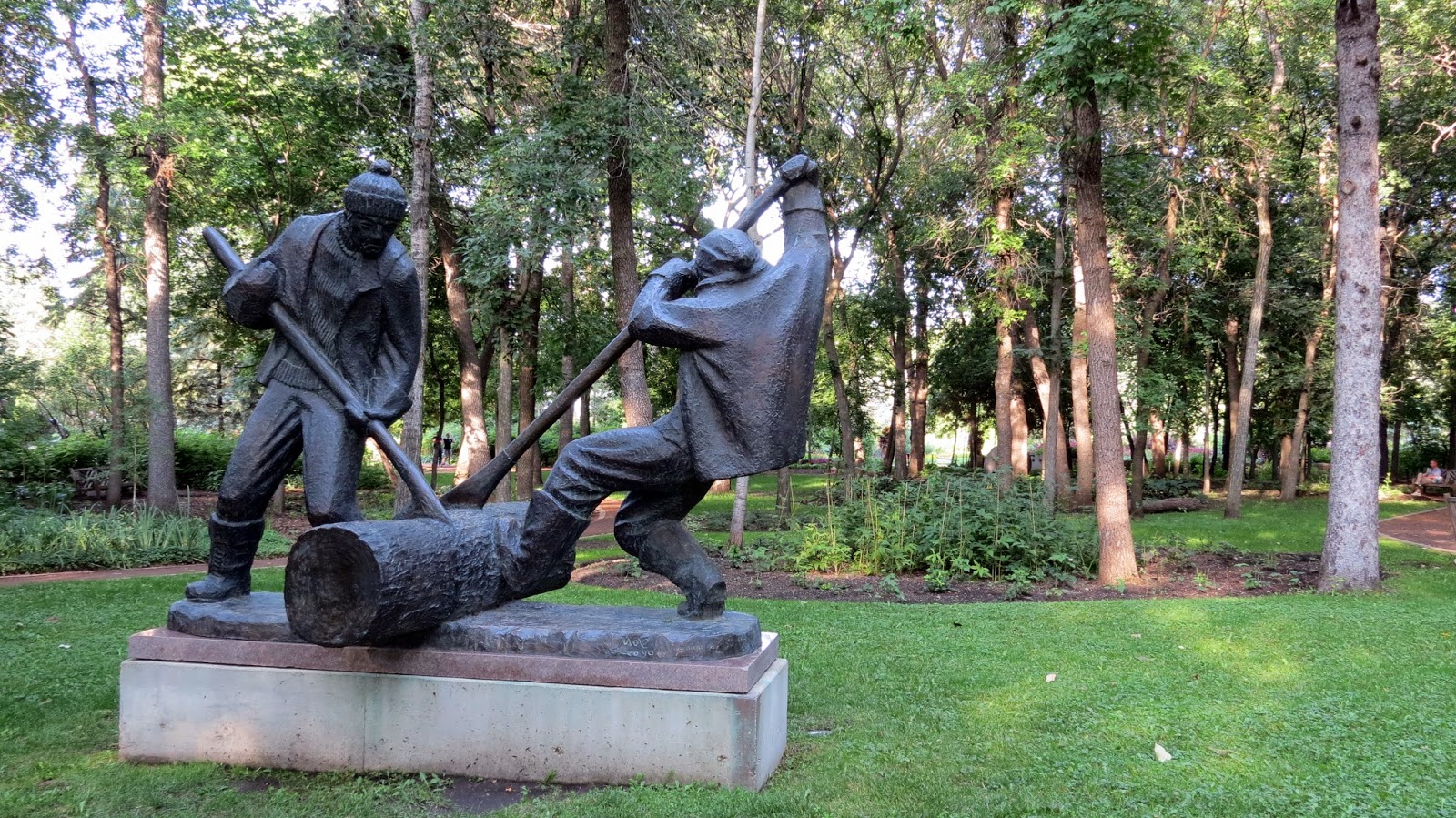
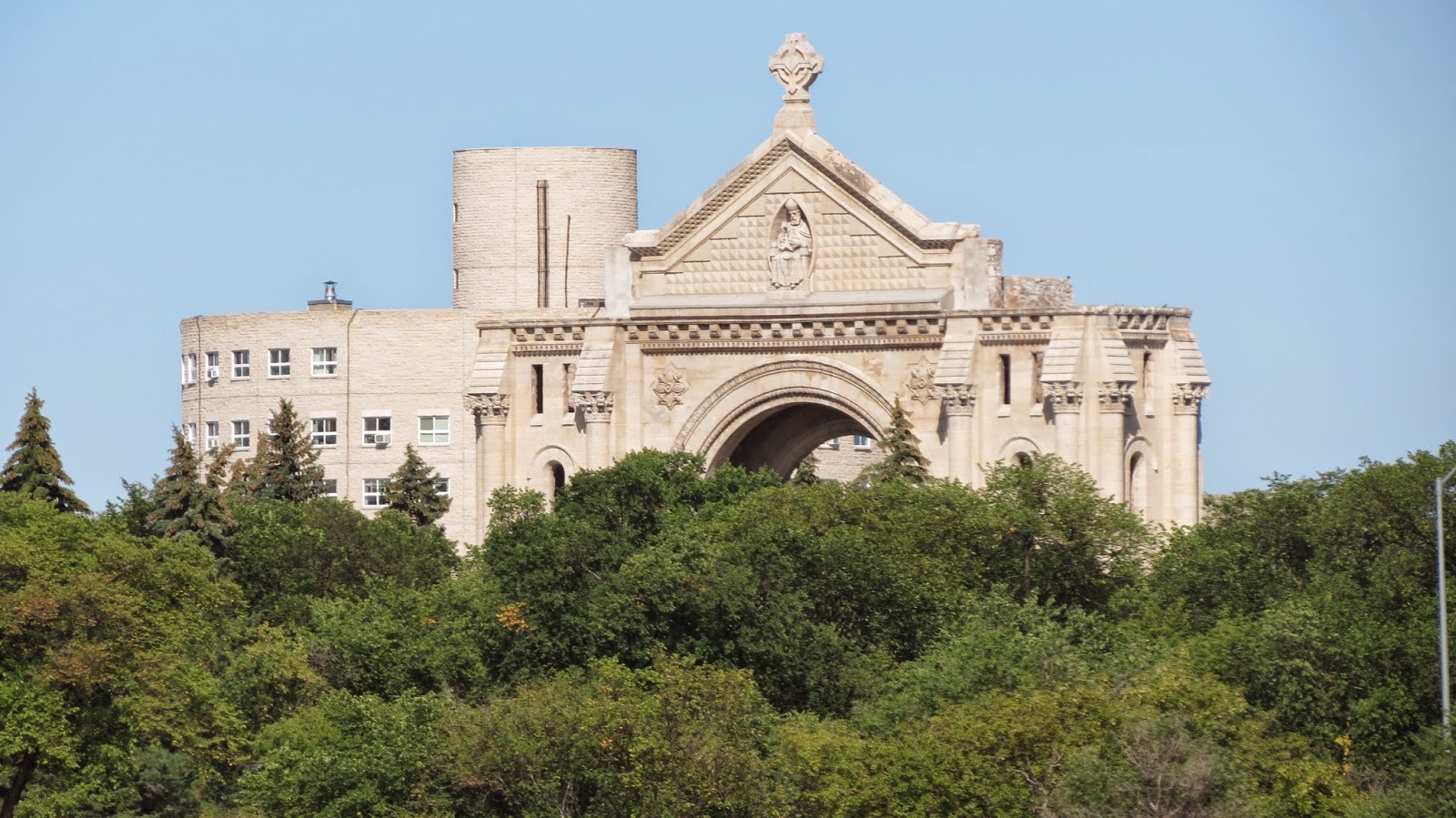
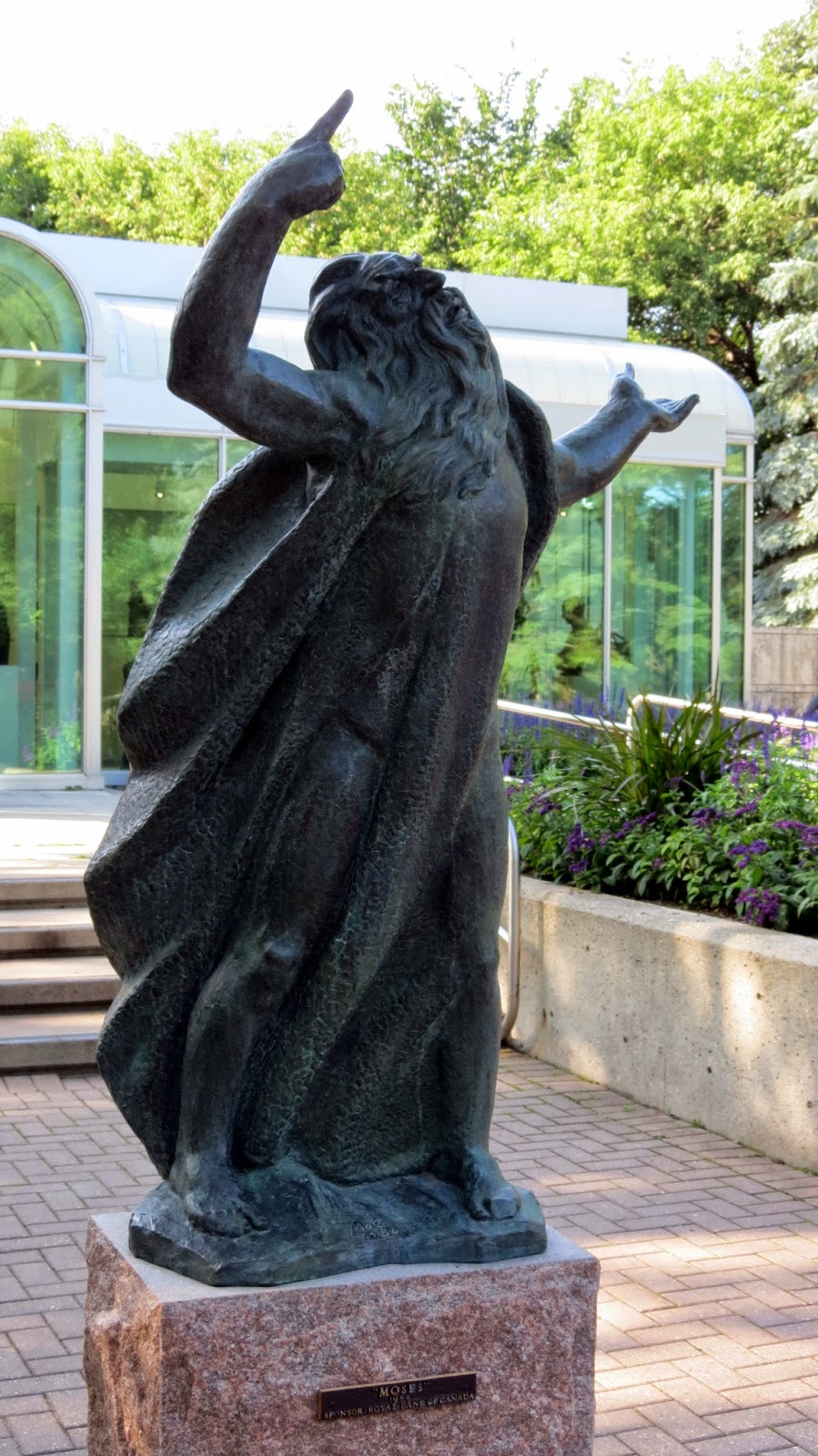
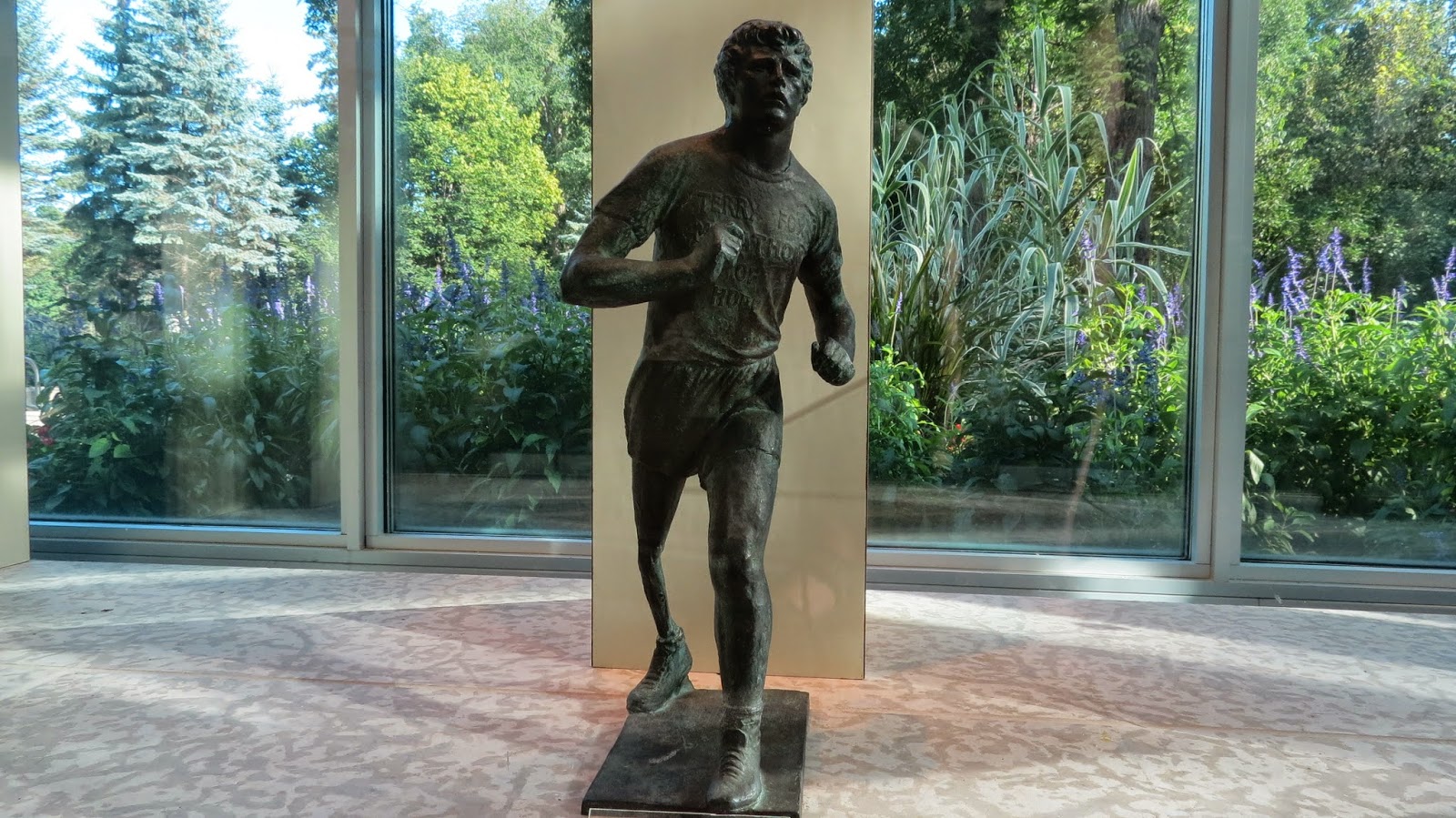
Assiniboine Park Conservancy was a delight to visit. More than three hundred of Leo Mol’s works are displayed in the 1.2-hectare park. The park has a gallery, renovated studio, and outdoor displays. Leo Mol, born on January 15, 1915 in Ukraine was an internationally recognized stain glass artist and sculptor. He was known for his sculptures of square dancers, skiers, aboriginals, and wildlife. He also completed more than 80 stained-glass windows in churches throughout Winnipeg. Weddings are often held here.


THE FORKS
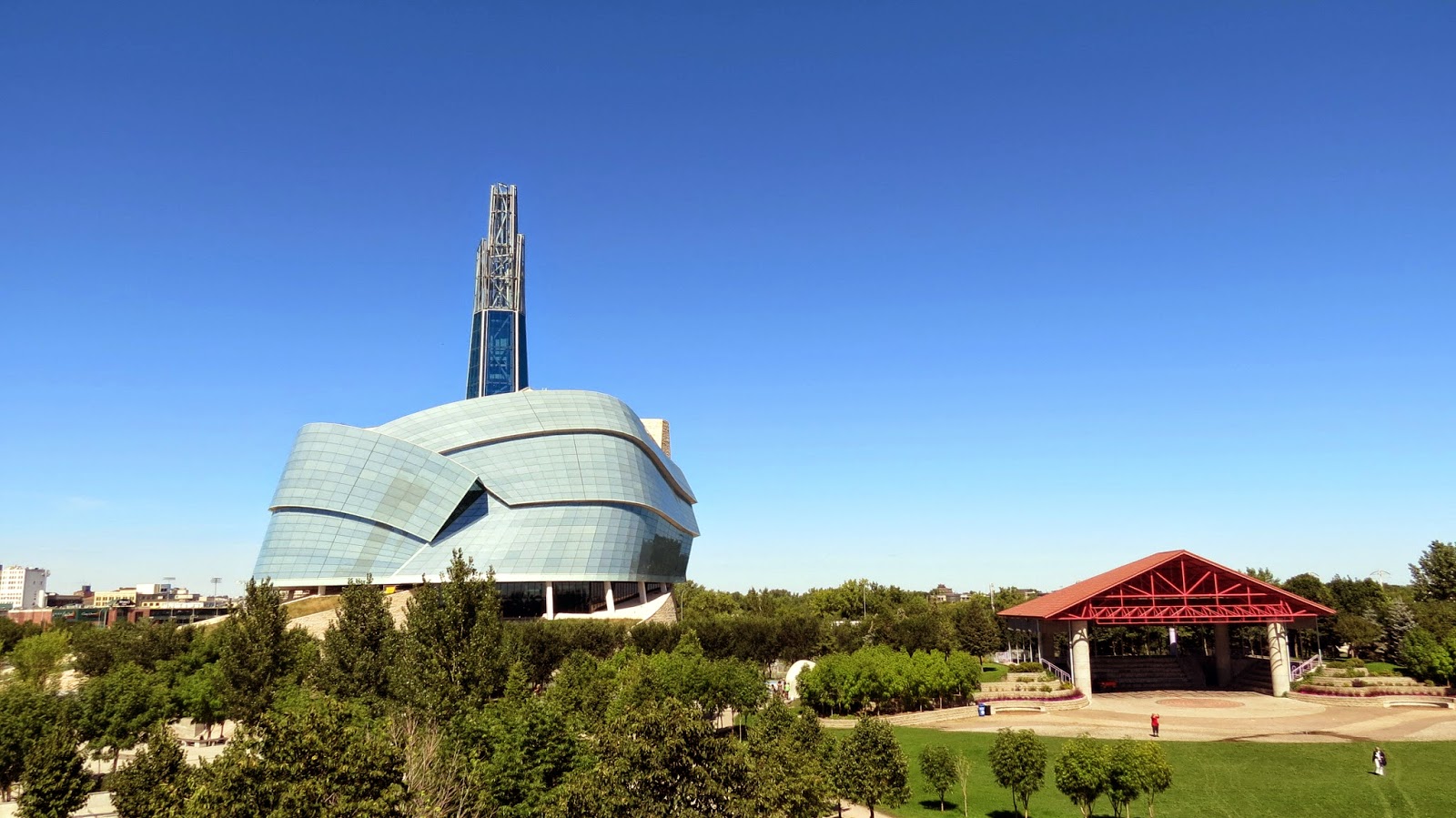
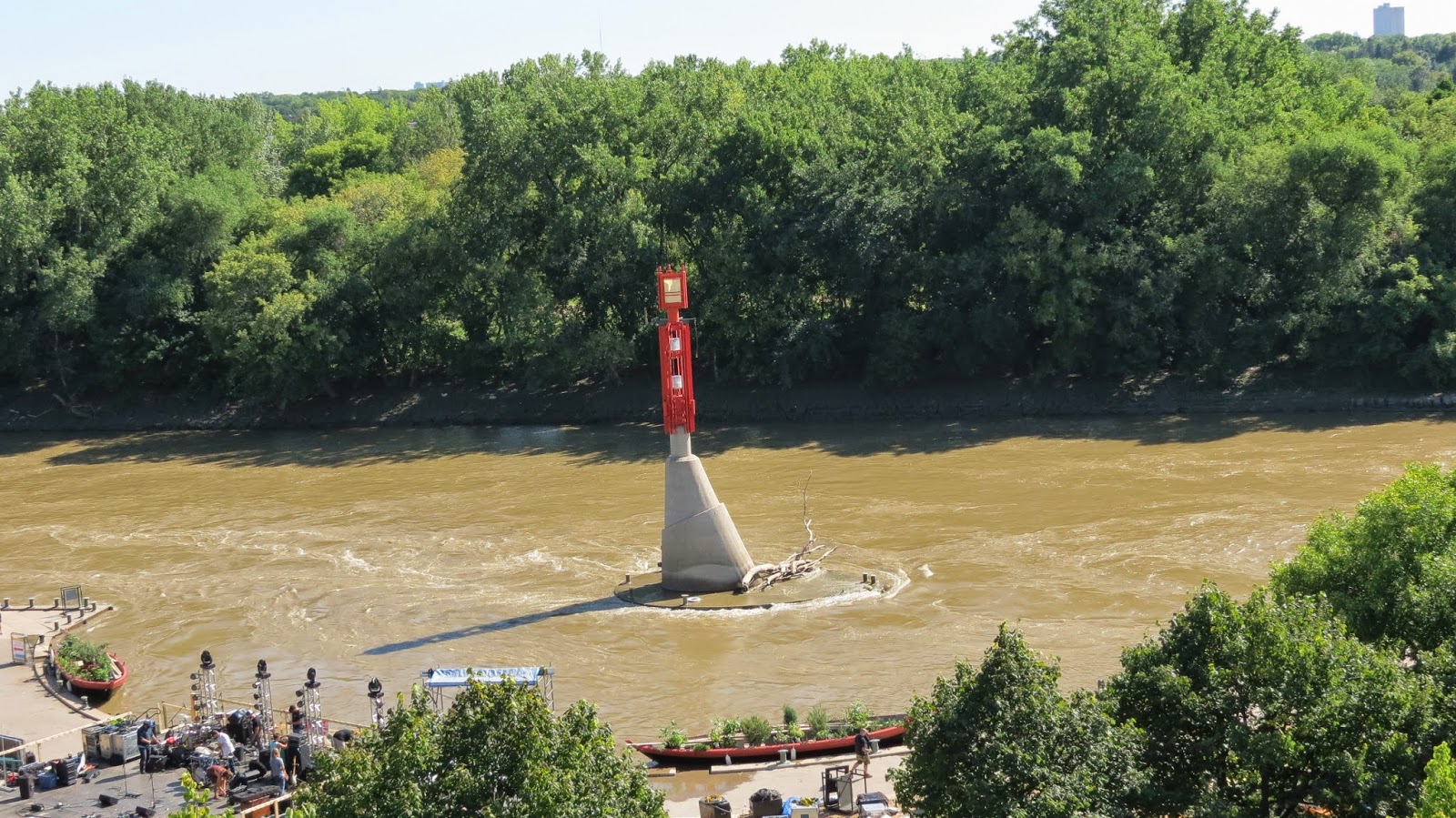
The forks, a traditional Aboriginal peoples stopping place, has been a place to meet and explore for over 6,000 years. The forks were aptly named as it is at the junction of the Red and Assiniboine Rivers, which connected it to a vast continental network of water routes. It is still Winnipeg’s “Meeting Place” where you can shop at Market, take a guided tour of the Forks 6,000 year history, walk along the scenic pathways, or listen to a live band.
The Market was formed by joining two adjacent horse stables with a courtyard and bridges. There are many shops and food outlets to please anyone’s tastes. A constantly changing array of artisans and vendors also sell their wares at day tables inside the Forks Market and outside on the Plaza.


COLOSSEO RISTORANTE ITALIANO & PIZZERIA
Once again, I was transported back to Tuscany. The atmosphere was very similar to a restaurant in Florence where the locals ate, busy, and full. Colosseo offers homemade pasta dishes and that is what I ordered. The food (my mouth is watering at the memory) and service was excellent, wine was good and the prices reasonable. When we were paying our bill, the owners gave us two bags of Cannensi rings, a type of biscuit for lack of a better word. They are scrumptious. I was sorry that I did not take pictures of our meals but you can find pictures on their website; www.colosseo.ca  We were fortunate to have found seats without a reservation but I would advise phoning ahead to make sure. You would not want to be disappointed. Phone: 204-284-4977 or 204-284-9865.  Address: 670 Corydon Ave.